

















For most healthy women who eat regular meals, plain water covers your daily needs — you don't need an electrolyte drink every day. Electrolytes earn their place when you're sweating heavily, exercising for over an hour, unwell, or wilting in Singapore's heat.
What are electrolytes, and what do they actually do?
Electrolytes are minerals — mainly sodium, potassium, magnesium, chloride and calcium — that carry a tiny electrical charge in your body fluids. Think of them as the spark plugs of your cells: they help nerves fire, muscles contract, and fluid move in and out of cells. When they run low or become too diluted, the system misfires, which is why an imbalance can show up as cramps, fatigue, brain fog or headaches.
Do you need electrolytes every day?
Usually not. A balanced diet with vegetables, fruit and a little salt supplies what most people need, and healthy kidneys are very good at keeping levels steady. Reviews of the evidence agree that for someone who isn't sweating intensely, a daily electrolyte drink probably won't hurt but often won't help either. So before reaching for a sachet out of habit, it's worth asking whether you're genuinely losing more than usual.
When do electrolytes genuinely help?
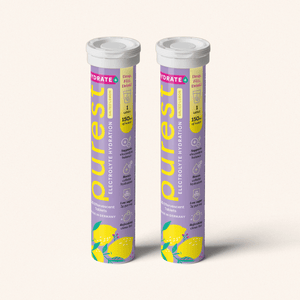
They matter most when you're losing fluid and minerals faster than food and water can replace them. That includes long or intense workouts (roughly an hour or more), hot yoga, heavy sweating, travel, and recovery from a stomach bug. Living in a hot, humid climate adds another layer: if you're commuting, exercising outdoors or feeling drained by mid-afternoon, you may be losing more sodium through sweat than you realise. This is where a measured top-up like Hydrate+ Electrolyte Hydration Tablets can make rehydration more efficient than water alone.
Can drinking only water ever be a problem?
Occasionally, yes. If you sweat heavily for hours and replace it all with plain water, you can dilute your blood sodium — a state called hyponatraemia that can leave you feeling worse, not better. It's uncommon in everyday life but relevant for endurance exercise or a very sweaty day outdoors. Pairing water with some sodium and potassium in those situations helps your body actually hold on to the fluid.
How do I know if I'm getting the balance right?
Simple signs go a long way: pale-yellow urine, steady energy and no unusual cramping usually mean you're well hydrated. Darker urine, dizziness on standing, or a dull afternoon headache can be nudges to drink more and add electrolytes if you've been sweating. Everyday hydration is best built on good habits — a refillable bottle within reach, water with meals, and mineral-rich foods — with electrolytes as a targeted support rather than a daily default. If you have kidney or heart conditions, or take medication that affects sodium or potassium, check with your doctor before adding electrolyte supplements.
Frequently asked questions
Are electrolyte drinks better than water for everyday hydration?
For most people going about a normal day, no — water plus a balanced diet is enough. Electrolytes shine specifically around heavy sweating, long exercise, illness or intense heat.
Can I take electrolyte tablets daily in Singapore's heat?
If you're regularly active outdoors or sweating a lot, a tablet on hot or active days is reasonable for many people. On low-sweat, air-conditioned days, water usually does the job.
Do electrolytes help with tiredness?
They may help if your fatigue is linked to dehydration or mineral loss from sweating. They won't fix tiredness caused by poor sleep, low iron or other issues, so it's worth looking at the bigger picture.
This article is for general education and isn't medical advice. For personal concerns or before starting a new supplement, please speak with a qualified healthcare professional.