





![[Pre-Order] Joint Pre+Probiotic Melts](http://thepurest.co/cdn/shop/files/1_af310510-f2f3-4ee7-91c6-0c9314c437ab_300x.jpg?v=1755068216)










Short answer: yes — but not in the way people imagine. Your body does break collagen down into amino acids and small peptides, and that's exactly the point. Some of those peptides reach the bloodstream intact and may signal your body to support its own collagen. "It's just digested" misunderstands how it works.
The myth
The claim goes: "You can't eat collagen and have it become skin collagen — your stomach just breaks it apart, so it's a waste." The first half is true; the conclusion isn't.
What actually happens
Hydrolysed collagen is already pre-broken into peptides. During digestion it's further broken into amino acids and small di- and tri-peptides. Studies have detected specific collagen-derived peptides (like prolyl-hydroxyproline) in the blood after intake — and randomised trials have measured improvements in skin hydration and elasticity over 8–12 weeks. So the building blocks and signalling peptides do get used; your body decides where, but skin is a beneficiary in the research.
So is it worth it?
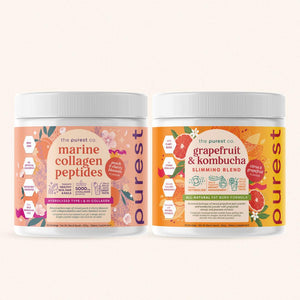
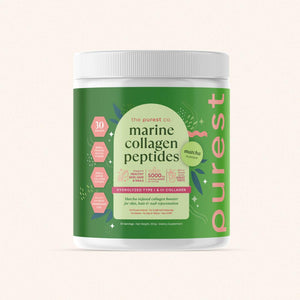
The honest read: collagen isn't magic and it isn't a scam — it's a supported, gradual support with realistic, modest benefits. Dose and consistency matter more than worrying about stomach acid. Our Collagen Glow Berries deliver a daily dose with vitamin C; Marine Collagen Peptides offer a flexible unflavoured option.
FAQ
Is collagen destroyed by digestion? It's broken into peptides and amino acids — which is normal; some peptides reach the blood and are used.
Does eating collagen become skin collagen directly? Not directly — it supplies building blocks and may signal collagen production; results are gradual.
Is collagen a scam? No — trials show modest skin benefits; it's supportive, not miraculous.
General education only, not medical advice. Individual results vary.