












![[KOL] Boosters - Skin & Hair](http://thepurest.co/cdn/shop/files/affiliate_page_6_300x.png?v=1791902411)




Joint aches in your 40s often trace back to falling estrogen, not just wear and tear. Estrogen helps calm inflammation and maintain cartilage, so as it declines in perimenopause, many women notice stiff hands, achy knees and morning stiffness — often without any damage showing on scans.
Why does perimenopause affect your joints?
Estrogen does far more than regulate periods. Estrogen receptors sit in your cartilage, the synovium (the lining that lubricates joints), bone and ligaments. Estrogen also has an anti-inflammatory effect and helps maintain cartilage and collagen. So when levels start swinging and falling in perimenopause, synovial lubrication can drop, breakdown signals rise, and joints simply feel less cushioned. Researchers even have a name for the widespread aches that appear around this time: the musculoskeletal syndrome of menopause.
Is this joint pain actually common?
More than you might think. Studies suggest over 70% of women experience musculoskeletal symptoms during the menopause transition, and a meaningful minority find them genuinely limiting. The classic pattern is "menopausal arthralgia": widespread joint aches without clear structural damage on imaging, often with morning stiffness, stiff hands and knees that feel rusty after you've been sitting for a while. If that sounds familiar, you're far from alone — and it's worth mentioning to your doctor rather than assuming it's just ageing.
There's also a pain-sensitivity angle
Estrogen influences the brain's own pain-dampening systems and serotonin signalling. When estrogen dips, that internal "volume knob" for pain can turn up, so the same niggle may simply feel louder. Poorer sleep during perimenopause adds to the picture, because tiredness tends to lower our tolerance for discomfort. In other words, hormonal joint pain is partly what's happening in the joint, and partly how your nervous system is interpreting it.
What may help ease it?
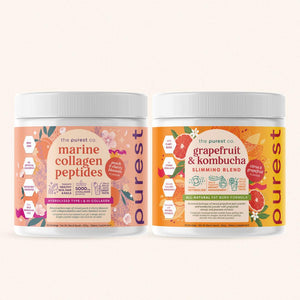
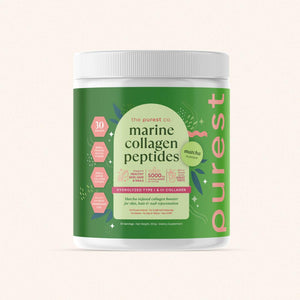
The most evidence-backed moves are unglamorous but powerful: regular movement, and especially strength training to support the muscles around your joints; keeping weight steady to reduce load; and prioritising sleep and stress. From there, some women explore supportive extras. Collagen may support joint comfort as part of an active routine — our Marine Collagen Peptides are one option — and herbal, phytoestrogen-containing formulas such as Herbal Harmony: Meno Rebalance are used by some for broader menopause support, though research is still emerging. If pain is persistent or one-sided, see a doctor; HRT is an option worth discussing, and it's important to rule out other causes of joint pain.
Frequently asked questions
Is perimenopause joint pain permanent? Not necessarily. For many women it eases as hormones settle after menopause, and staying active can make a real difference to how it feels day to day.
How do I know it's hormonal and not arthritis? You don't, from symptoms alone — and that's the point. Widespread, symmetrical aches around perimenopause are often hormonal, but a doctor can help rule out inflammatory arthritis or other causes.
Will collagen cure my joint pain? No. Collagen may support comfort for some people alongside movement, but it isn't a cure and shouldn't replace medical assessment for persistent pain.
This article is for general education and is not medical advice. Supplements support — not replace — good habits and medical care. If you're pregnant, breastfeeding, taking medication or managing a health condition, please check with your doctor or pharmacist before starting anything new.