



















Short answer: with supplements, quality and transparency matter as much as the ingredient itself. Two collagen products can look identical on the front of pack and differ hugely in source, peptide size, purity and testing. Knowing where yours comes from — and whether it's tested — is the first thing worth checking.
Why sourcing matters
Marine collagen is derived from fish skin and scales. Source quality affects purity, heavy-metal risk and how clean it tastes. Reputable products are clear about origin and put their material through testing rather than asking you to take it on faith.
What to look for
Check for: a stated source, hydrolysed peptides (for absorption), third-party or lab testing for contaminants, and clear dosage on the label. Vague "proprietary blends" that hide amounts, or no mention of testing, are reasons to ask questions.
Our approach
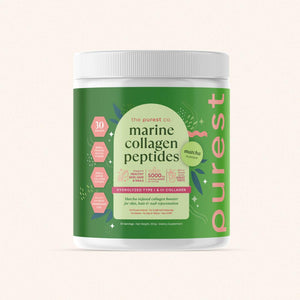
Transparency is core to the Purest Promise — we're particular about where ingredients come from and we publish lab tests so you can see for yourself. Our Marine Collagen Peptides use hydrolysed Type I marine collagen, and you can review our testing on our lab test page. The point isn't to take our word for it — it's that you shouldn't have to.
FAQ
Is marine collagen safe? Quality, tested marine collagen is well tolerated; testing matters because raw material quality varies.
What does "hydrolysed" mean? The collagen is broken into small peptides for easier absorption.
How do I judge a collagen brand? Look for stated source, clear dosage, hydrolysed peptides and published testing.
General education only, not medical advice. Choose products whose sourcing and testing you can verify.