



















Bloating is a sensation of abdominal pressure, usually driven by gas and gut contents, that typically worsens through the day and settles overnight. Fluid retention is excess fluid in the tissues, usually gravity-dependent in the ankles and feet, and it often pits when pressed. They need different responses.
How can I tell which one I have?
Two quick questions get you most of the way.
Where is it, and does it pit? Press a thumb firmly into the swollen area for several seconds. If it leaves a dent that slowly fills back in, that is pitting oedema, which points to fluid. Fluid retention is usually gravity-dependent: ankles, feet and lower legs if you have been upright, or the lower back if you have been lying down. It is often symmetrical.
Does it come and go with meals? Bloating and distension are abdomen-centred, typically worse as the day goes on and after eating, and usually better after a night's sleep or after passing wind or stool.
Worth a small distinction: bloating is the feeling of pressure and fullness, while distension is a measurable increase in your waistline. You can have one without the other, which is why your jeans sometimes feel fine on a day you feel awful.
What causes each?
Common benign causes of bloating and distension include changes in fibre intake, carbonated drinks, swallowed air from eating quickly, constipation, irritable bowel syndrome, lactose intolerance, and the cyclical bloating many women notice before their period.
Common causes of mild fluid retention include prolonged standing or sitting, which is very relevant in Singapore's heat and on long flights, high sodium intake, hot weather itself, the luteal phase of your cycle, and certain medications.
Do sodium and potassium actually matter?
The physiology is genuine. Sodium draws water osmotically, and dietary potassium promotes sodium excretion. That much is real.
What gets oversold is the size of the effect. In healthy people, the impact on everyday puffiness is modest and transient. It does not make any product a "debloater".
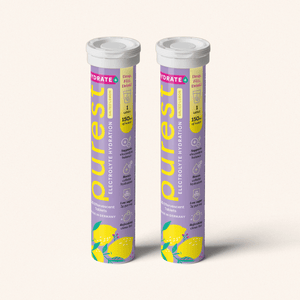
Sensible, unglamorous advice: drink enough water, eat plenty of vegetables and fruit, go easier on very high-sodium meals, move regularly, and elevate your legs after long periods sitting. If you have been sweating heavily or on a long flight, replacing fluid and electrolytes with something like Hydrate+ Electrolyte Hydration Tablets addresses dehydration, which is a different problem from fluid retention and worth not confusing.
Why are debloat teas and diuretics a bad idea?
This is the part we most want you to read, even though our own category is full of products making these promises.
Most "detox" and rapid debloat teas work through stimulant laxatives such as senna. Documented harms include dehydration, electrolyte disturbances such as low potassium, and with chronic use, impaired function of the muscles and nerves controlling the colon.
Critically, they do not remove fat or genuine fluid retention. The weight that disappears is stool and water.
And there is a sting in the tail that catches people out. When you stop misusing laxatives or diuretics, the body responds with rebound fluid retention that can be dramatic, with several kilograms gained in a short period. Published case reports document severe oedema following cessation of laxative misuse. So the product creates the very problem it promised to solve, which is a reliable way to keep someone buying it.
This cycle is also a recognised feature of disordered eating. If you find yourself relying on these products, that is worth raising with a doctor, and there is no judgement in doing so.
When should bloating be checked by a doctor?
Please read this section properly. Persistent bloating is a recognised and under-recognised presentation of ovarian cancer, and it frequently gets self-treated as a diet problem for months.
The key distinction is persistent versus fluctuating. Bloating after a big meal that resolves overnight is ordinary. Bloating that occurs on most days for two weeks or more is not.
Clinical guidance recommends investigation when a woman reports any of the following on a persistent or frequent basis, particularly more than 12 times a month: persistent abdominal distension, feeling full quickly or loss of appetite, pelvic or abdominal pain, or increased urinary urgency or frequency. Research indicates around 86% of women with ovarian cancer experienced persistent abdominal distension.
Other symptoms warranting prompt medical review: unintentional weight loss, blood in your stool, persistent vomiting, difficulty swallowing, a lump you can feel in your abdomen, new bloating starting after age 50, iron-deficiency anaemia, or abdominal swelling with breathlessness. Swelling in one leg with pain or redness needs urgent attention, as it can indicate a blood clot.
No supplement belongs anywhere near this list. If these describe you, please see a doctor rather than buying anything.
Frequently asked questions
Is it normal to bloat before my period?
Cyclical bloating in the days before menstruation is common and usually settles once your period starts. Bloating that persists across your whole cycle is worth discussing with a doctor.
Will drinking more water make retention worse?
Generally no. Adequate hydration supports normal fluid balance. Restricting water is not a sensible response to puffiness.
Can probiotics help with bloating?
Evidence is mixed and strain-specific, and results vary considerably between individuals. They are worth trying as part of general gut health, but persistent bloating still needs a proper assessment first.
This article is general education, not medical advice. Please speak to a qualified healthcare professional about your own health, particularly if any of the symptoms above apply to you.