















If you have stubborn brown or greyish patches that flare in the sun and resist your usual products, that's often melasma — a common, tricky form of pigmentation. It's driven by sun, heat and hormones, so managing it takes patience. Daily sun protection is the non-negotiable foundation; some ingredients, including oral glutathione, may offer added support.
What makes melasma so persistent?
Melasma happens when pigment-producing cells become overactive, often in response to UV light, visible light, heat and hormonal shifts such as pregnancy or the pill. In a hot, sunny place like Singapore, those triggers are constant, which is why melasma can feel like it fades and then returns. Think of it as a smoke alarm set too sensitively — small triggers set off a big pigment response. Because the triggers are ongoing, the goal is steady management rather than a one-time fix.
Why is sunscreen the most important step?
No treatment can outrun daily UV and light exposure. Broad-spectrum sunscreen — ideally one that also shields against visible light, such as tinted mineral formulas — is the single most effective step for melasma, worn every day and reapplied. Without it, other efforts are working against a constant trigger. Add physical measures too: hats, shade and sunglasses. This foundation is what makes everything else worthwhile.
Does oral glutathione help with pigmentation?
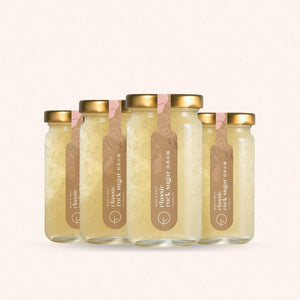
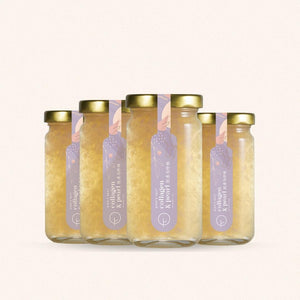
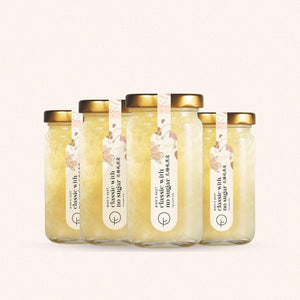
Glutathione is an antioxidant that can shift melanin production toward a lighter pigment type. A 2025 systematic review found that several randomised trials of oral glutathione showed a significant reduction in melanin index versus placebo, with generally good tolerability — though researchers note results are variable and call for larger, longer studies. So the honest summary is: research suggests it may help support a more even tone for some people, but it's not a guaranteed or dramatic fix. An oral option like SkinBright Thins can be a convenient way to include glutathione as part of a routine built on daily sun protection.
What else supports a more even tone?
Consistency beats intensity. A gentle routine with proven brightening ingredients (such as vitamin C, niacinamide or others your dermatologist recommends), avoiding harsh scrubs that can worsen inflammation, and protecting against heat where you can, all help. For persistent or worsening melasma, a dermatologist can offer prescription options and in-clinic treatments tailored to your skin. Supplements are one supporting layer, not the whole plan.
Frequently asked questions
Will glutathione make my whole body lighter? That's not the goal here, and evidence for dramatic whole-body lightening is weak. The more realistic aim is supporting a more even tone alongside sun protection, with variable results.
Can melasma be cured completely? Melasma is usually managed rather than permanently cured, because its triggers — sun, heat, hormones — are ongoing. Consistent sun protection and treatment can significantly improve it.
Is intravenous (IV) glutathione a good option? Reviews advise against IV glutathione for skin lightening due to safety concerns and lack of proven benefit. Stick to evidence-based topical and oral approaches, and consult a professional.
This article is for general education and is not medical advice. For personalised guidance, please speak with a qualified healthcare professional or dermatologist.