



















Vitamin C is far more than a cold remedy. Your body literally cannot build collagen without it — vitamin C is an essential cofactor for the enzymes that lock collagen into its strong, springy structure. That makes it quietly central to firm, resilient and glowing skin.
What does vitamin C actually do for collagen?
Collagen is the scaffolding that keeps skin plump and elastic, and building it is a precise job. Vitamin C acts as a cofactor for two key enzymes (prolyl and lysyl hydroxylase) that stabilise collagen's triple-helix structure — picture the rivets that hold a bridge's beams together. Without enough vitamin C, those "rivets" don't set properly, and the collagen your body makes is weaker and less stable. It's not a nice-to-have in this process; it's a requirement.
Why does that matter for your skin?
When collagen is well-formed, skin stays firmer, more elastic and better able to repair itself. When vitamin C runs low, the opposite creeps in: slower wound healing, easier bruising, and skin that loses some of its bounce. The extreme historical example is scurvy, where severe deficiency causes collagen to fall apart — a dramatic illustration of just how dependent our connective tissue is on this one nutrient.
Do collagen supplements work better with vitamin C?
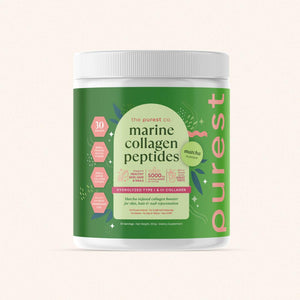
There's a logical pairing here. Since your body needs vitamin C to put collagen together, supplying collagen peptides alongside adequate vitamin C makes sense. One randomised trial using hydrolysed collagen with 80mg of vitamin C reported improvements in skin density, texture and the appearance of wrinkles. It's one reason many formulas combine them — and why, if you take Marine Collagen Peptides, it's worth making sure your vitamin C intake is solid too, whether from food or a blend like Daily Supergreens Blend.
How much do you need, and where do you get it?
Most people can meet their needs through food, and the good news is that vitamin C is easy to find: citrus, capsicum, guava, kiwi, berries and leafy greens are all rich sources. Because it's water-soluble, your body doesn't hoard it, so a little each day beats an occasional megadose — and very high supplemental doses can cause digestive upset without extra benefit for most people. There's also an antioxidant bonus: vitamin C helps protect existing collagen from oxidative and UV-related damage, though it's a support to sun care, not a replacement for sunscreen.
Frequently asked questions
Can vitamin C alone improve my skin?
Adequate vitamin C is necessary for healthy collagen, but skin also depends on protein, overall nutrition, sleep and sun protection. Think of it as one essential piece rather than a standalone fix.
Is dietary vitamin C enough, or do I need a supplement?
For most people eating a varied diet with fruits and vegetables, food provides plenty. A supplement or greens blend can help if your intake is inconsistent.
Should I take vitamin C with my collagen?
Pairing them is sensible, since vitamin C supports collagen synthesis. You don't have to take them at the exact same moment — simply having enough vitamin C in your day is what matters.
This article is for general education and isn't medical advice. For personalised nutrition guidance, please consult a qualified healthcare professional.