


![[Pre-Order] Night Burn Saffron Elixir](http://thepurest.co/cdn/shop/files/NBSE-WebsitePDP_Tier1_1_1_300x.png?v=1786005812)

















![[Pre-Order] Night Burn Saffron Elixir](http://thepurest.co/cdn/shop/files/NBSE-WebsitePDP_Tier1_1_1_1080x.png?v=1786005812)




Yes — dehydration is one of the most common and overlooked headache triggers. When you're low on fluids, your blood volume drops and brain tissue loses a little water, both of which can switch on pain signals. Rehydrating often brings relief within about half an hour.
Why does dehydration cause headaches?
Your brain is roughly three-quarters water, so it's sensitive to even mild fluid loss. When you're dehydrated, brain tissue shrinks a fraction and gently tugs on the pain-sensitive membranes around it — a bit like a tent whose guy ropes have been pulled too tight. At the same time, lower blood volume means less oxygen reaching the brain, and blood vessels may widen to compensate, which many people feel as a throbbing ache. Put together, that's the classic dehydration headache.
What do electrolytes have to do with it?
Water is only half the story. Electrolytes — sodium, potassium and magnesium — are what let your nerves send clean signals. When they're low or too diluted, nerve cells misfire more easily, which can lower your threshold for both tension headaches and migraines. That's why, after heavy sweating, gulping plain water sometimes doesn't fully fix a headache: you've replaced the fluid but not the minerals that came out with it.
How can you tell a dehydration headache from other kinds?
Context is your best clue. Dehydration headaches often follow a hot day, a sweaty workout, too much coffee or alcohol, missed meals, or simply forgetting to drink. They tend to be dull and all-over or lightly throbbing, and they ease noticeably once you rehydrate. Not every headache is about water, though — sleep, stress, screens, hormones and caffeine withdrawal all play a part — so treat hydration as one important suspect rather than the only one.
What actually helps — in the moment and to prevent?
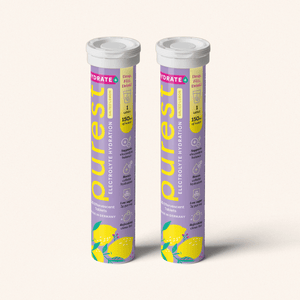
For a mild dehydration headache, drinking around 500ml of water brings meaningful relief within about 30 minutes for many people. If you've been sweating, adding some sodium and other electrolytes helps your body absorb and hold that fluid — this is where a tablet like Hydrate+ Electrolyte Hydration Tablets can be handy. Prevention beats cure: sip steadily through the day rather than catching up all at once, keep a bottle in view, and factor in Singapore's heat if you're outdoors or exercising. Studies have found that simply drinking more water each day can reduce headache hours for some people.
When should a headache prompt medical attention?
Please don't self-diagnose serious headaches as "just dehydration." Seek urgent care for a sudden, severe "worst-ever" headache, or one with fever, a stiff neck, confusion, weakness, vision changes or slurred speech. And if headaches are frequent, worsening or disrupting your life, see a doctor to look at the fuller picture, including possible migraine.
Frequently asked questions
How much water should I drink to avoid headaches?
There's no single number, but pale-yellow urine and steady energy are good signs you're on track. Increase intake on hot, active or high-caffeine days.
Are electrolytes better than water for a dehydration headache?
If you've been sweating heavily or are quite depleted, water plus electrolytes tends to work better than water alone. For mild cases after a normal day, water is usually enough.
Can dehydration trigger a full migraine?
For some people prone to migraine, yes — dehydration and electrolyte imbalance can be triggers. Staying consistently hydrated is a simple, low-risk part of a broader prevention plan.
This article is for general education and isn't medical advice. For frequent or severe headaches, please see a qualified healthcare professional.