





![[Pre-Order] Joint Pre+Probiotic Melts](http://thepurest.co/cdn/shop/files/1_af310510-f2f3-4ee7-91c6-0c9314c437ab_300x.jpg?v=1755068216)










Short answer: most active women do well on roughly 1.2–1.6g of protein per kg of body weight per day — noticeably more than the bare-minimum RDA. For a 60kg woman that's about 72–96g daily, spread across meals. Many women fall short, especially at breakfast.
Why protein matters more as you get older
From your 30s onward, you gradually lose muscle (a process called sarcopenia) unless you actively maintain it with resistance training and adequate protein. Muscle isn't just about strength — it supports metabolism, blood-sugar control and healthy ageing. Protein also keeps you fuller for longer and provides the amino-acid building blocks your body uses for skin, hair and nails.
How to actually hit your target
Anchor each meal with a palm-sized protein source. Aim for 25–30g at breakfast (the meal where most women fall shortest). Keep convenient options on hand for busy days — Greek yoghurt, eggs, edamame, tofu, or a quality protein drink. Spreading protein across the day supports muscle better than cramming it all into dinner.
Where supplements fit
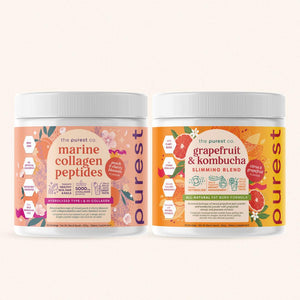
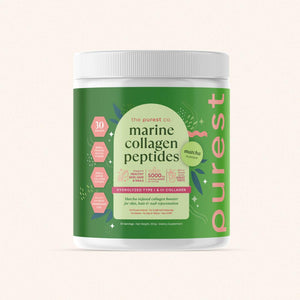
Whole foods come first, but a clean protein supplement bridges the gap on hectic days. Our Clear Whey Protein Isolate + Collagen combines whey isolate for muscle support with collagen peptides for skin and connective tissue — a light, juice-like format rather than a heavy shake. If you mainly want the skin and joint support of collagen, Marine Collagen Peptides is a focused option. Supplements are a top-up, not a replacement for a protein-aware diet.
FAQ
Is too much protein bad for healthy women? For people with healthy kidneys, intakes in the recommended range are well tolerated. Check with your doctor if you have kidney concerns.
Does collagen count as protein? It contributes amino acids but is low in some essentials, so it complements rather than replaces complete proteins like whey, eggs or soy.
When should I have protein? Spread it across meals; a protein-rich breakfast is the highest-impact change for most women.
General education only, not medical or dietary advice. Individual needs vary with activity, body size and health status.