


![[Pre-Order] Night Burn Saffron Elixir](http://thepurest.co/cdn/shop/files/NBSE-WebsitePDP_Tier1_1_1_300x.png?v=1786005812)















![[Pre-Order] Night Burn Saffron Elixir](http://thepurest.co/cdn/shop/files/NBSE-WebsitePDP_Tier1_1_1_1080x.png?v=1786005812)




Hydration isn't only about water, it's about water plus electrolytes like sodium, potassium and magnesium that help your body actually hold and use that fluid. Long hours in aircon, lots of coffee, and skipping meals can leave you feeling drained even if your water bottle is empty.
Can you drink water and still feel dehydrated?
In a sense, yes. Water is essential, but your cells rely on electrolytes to move fluid where it's needed. If you're drinking a lot of plain water while sweating, sipping coffee all day, or eating very little, the balance of those minerals can drift. The result can feel like dehydration: an afternoon slump, mild headache, poor focus, or muscle twitches, even though you've technically had enough fluid.
How does aircon dehydrate you?
Air conditioning lowers humidity, which quietly increases how much moisture you lose through your skin and breath, without the obvious cue of sweating. In Singapore, many of us move between hot, humid outdoors and cold, dry offices all day. You may not feel thirsty in the cold, so you drink less, while still losing fluid steadily. It's an easy way to end the day a little behind.
Does coffee really count against you?
Here's the honest version: for regular coffee drinkers, moderate caffeine has only a mild diuretic effect, and the fluid in your coffee still contributes to hydration. So your flat white isn't "cancelling out" your water. That said, if coffee is most of what you drink, you may simply not be getting enough plain fluid and minerals overall. Balance is the point, not guilt.
When are electrolytes genuinely useful?
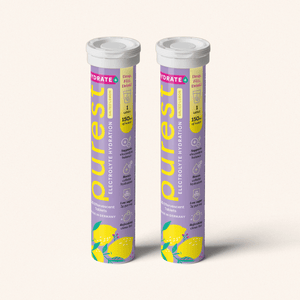
Most people meeting their fluid and food needs don't need to add electrolytes to every glass. But research and practice suggest they can help in specific situations: after a sweaty workout or hot commute, during illness with fluid loss, on long travel days, or when you've simply been running on coffee and skipped meals. In those moments, electrolytes may help you rehydrate more effectively than water alone. Our Hydrate+ Electrolyte Tablets are designed for exactly these top-up moments, not to replace everyday water.
What's a simple hydration routine for desk days?
Keep a bottle within reach and sip steadily rather than gulping once. Anchor water to habits, a glass when you arrive, before each meal, after every coffee. Eat meals with some natural salt and potassium-rich foods (fruit, vegetables, yoghurt). And on hot, sweaty, or heavy-coffee days, an electrolyte top-up can be a helpful add-on. Think of water as the foundation and electrolytes as occasional support.
Frequently Asked Questions
How much water do I actually need?
It varies with body size, activity and heat, so use thirst and urine colour (pale straw is a good sign) as rough guides rather than a fixed number. Singapore's climate and aircon can nudge your needs higher.
Do I need electrolytes every day?
Not usually. For most people eating balanced meals, everyday water is enough, with electrolytes as a useful add-on around heavy sweating, illness, travel or very low food intake.
Can dehydration cause tiredness and headaches?
Mild dehydration can contribute to fatigue, poor concentration and headaches for some people. If symptoms are frequent or severe, it's worth checking in with a doctor to rule out other causes.
This article is general education and not medical advice. Please consult a qualified healthcare professional for guidance specific to you.