



















![[KOL] Boosters - Skin & Hair](http://thepurest.co/cdn/shop/files/affiliate_page_6_300x.png?v=1791902411)




Long flights leave you puffy, parched and groggy because dry cabin air speeds up dehydration, sitting still with pressure changes lets fluid pool and gas expand, and crossing time zones scrambles your body clock. A little planning before and during the flight makes a real difference.
Why does flying dehydrate you so quickly?
Cabin air is remarkably dry — humidity often sits well below that of a desert — so you lose water steadily through your breath and skin without noticing. Long flights also shift fluid down toward your legs and feet, and the salty plane meals plus that second coffee or glass of wine nudge you further into deficit. It all adds up to arriving thirstier than you feel.
Why the bloating and puffy legs?
Two things are at play. Lower cabin pressure lets the gas in your digestive tract expand, which is why you feel more bloated at altitude — the classic "jet belly." Meanwhile, hours of sitting slow both circulation and digestion, so fluid gathers in your ankles and your gut moves more sluggishly. Your gut even has its own body clock, and rapid time-zone changes can throw it off, adding to the discomfort.
What is jet lag, really?
Jet lag is the mismatch between your internal circadian clock and the local time at your destination. It usually bites when you cross three or more time zones, and travelling east (losing hours) tends to be harder than heading west. Until your body clock catches up, sleep, appetite, digestion and energy can all feel out of step.
How can you fly better?
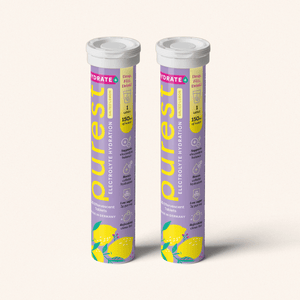
A few evidence-informed habits go a long way. Hydrate steadily — aim to sip through the flight rather than downing a bottle at the end — and add electrolytes if it's a very long haul, where something like Hydrate+ Electrolyte Hydration Tablets can help you absorb and hold fluid. Get up and walk or stretch every couple of hours. Light is your most powerful clock-setter, so seek morning sunlight on arrival and shift your sleep schedule gradually in the days beforehand. Eat a little lighter, leaning on protein and fibre and going easy on very salty or heavy carb-loaded meals to limit bloat. Supporting your gut can help too: a fibre-forward option like Daily Supergreens Blend and a pre- and probiotic such as Daily Pre+Probiotic Melts may keep digestion steadier while your routine is upended. Go easy on alcohol and excess caffeine, which worsen both dehydration and sleep.
When should you take extra care?
If you're pregnant, have a clotting risk, circulation issues or another health condition, talk to your doctor before a long flight — they may suggest compression socks, movement strategies or other precautions. Prolonged immobility raises the risk of blood clots, so regular movement and hydration aren't just about comfort.
Frequently asked questions
Should I drink electrolytes on every flight?
Not necessarily. For short hops, water is usually fine. On very long hauls or if you're prone to dehydration, electrolytes can help you rehydrate more effectively.
What's the single best thing for jet lag?
Well-timed light exposure. Getting sunlight at the right time for your destination is the most reliable way to reset your body clock, alongside gradually adjusting your sleep.
How do I reduce in-flight bloating?
Move regularly, favour lighter protein- and fibre-rich meals, go easy on fizzy drinks, salt and alcohol, and stay hydrated. Supporting your gut around travel may help too.
This article is for general education and isn't medical advice. For travel with a medical condition or during pregnancy, please consult a qualified healthcare professional.