





![[Pre-Order] Joint Pre+Probiotic Melts](http://thepurest.co/cdn/shop/files/1_af310510-f2f3-4ee7-91c6-0c9314c437ab_300x.jpg?v=1755068216)










Last reviewed: March 2026 · The Purest Co Editorial Team · About The Purest Co
Why is Singapore's climate bad for skin?
Singapore creates two simultaneous skin challenges: high outdoor humidity promotes bacterial overgrowth, sweating-induced pH disruption, and sebum changes; while heavy air conditioning creates near-desert indoor dryness that depletes ceramides and disrupts the skin lipid barrier. The constant cycling between extremes prevents the skin barrier from adapting to either.
Singapore's climate is a paradox for skin health. The humidity is high enough that you'd expect skin to stay hydrated effortlessly. Yet some of the most common skin complaints in Singapore, persistent oiliness, congestion, sensitivity, and breakouts, are directly related to how the climate affects both the skin barrier and gut health.
Understanding the Singapore-specific skin environment changes both what you apply to your skin and what you put inside your body. The approach that works in a temperate climate doesn't always translate.
Explore skin health supplements for Singapore's climate
How Singapore's Humidity Affects Your Skin
High humidity reduces transepidermal water loss (the rate at which water evaporates from the skin surface), which sounds beneficial. But it also creates a warm, moist environment on the skin surface that alters the skin microbiome, promotes bacterial and fungal overgrowth in pores, and changes sebum consistency. The result for many people is skin that simultaneously feels greasy on the surface and depleted in deeper layers, a counterintuitive combination that standard moisturising approaches often make worse.
Sweating in Singapore's heat and humidity is constant. Sweat mixes with sebum to form a film on the skin surface that can trap bacteria, dilute the skin's natural acidic pH, and compromise barrier function over time with repeated exposure. This is why people who move to Singapore often experience initial skin changes even with no dietary or routine changes: the climate itself shifts the skin microbiome and barrier environment.
Air Conditioning: The Hidden Disruptor
Singapore's internal environment is often the opposite extreme to its outdoor climate. Air conditioning removes humidity aggressively, creating indoor environments that rival desert climates for skin dryness. The constant alternation between humid outdoor air and dry conditioned indoor air creates a challenge the skin barrier was not designed to handle.
This humidity cycling depletes ceramides and disrupts the lipid layer of the stratum corneum faster than the skin can replenish it. People who work in heavily air-conditioned environments in Singapore often have measurably more barrier compromise than people in temperate climates, despite the outdoor humidity. This is one reason why ceramide and barrier support supplements and products are particularly relevant for Singapore residents.
The Gut-Climate Connection
Heat and humidity directly affect gut health in ways that are less discussed. In Singapore's climate, gut bacteria that thrive in warmer conditions can overgrow relative to beneficial species. Hydration status is continuously challenged by sweating, and mild chronic dehydration reduces gut motility and changes the gut environment in ways that promote dysbiosis.
The high humidity also promotes mould and environmental bacteria in food, increasing the dietary load of compounds that disrupt gut microbiome balance. Hawker food, however delicious and central to Singapore culture, is often high in processed oils, refined carbohydrates, and low in prebiotic fibre, all of which challenge gut microbiome diversity over time.
Sunscreen: The Most Important Supplement You're Not Taking
Singapore receives year-round UV radiation at intensities comparable to equatorial summer in temperate countries. UV exposure is the single greatest external driver of collagen degradation, pigmentation, and skin ageing. The compounding effect of daily UV exposure in Singapore over years accelerates collagen loss, hyperpigmentation development, and inflammatory skin conditions in ways that make internal collagen and antioxidant support particularly valuable.
Oral photoprotection, through antioxidant compounds like lycopene (from snow tomato), beta-carotene, and polyphenols, provides systemic UV protection at the cellular level that sunscreen alone doesn't achieve. The combination of daily SPF and internal antioxidant support is more protective than either alone, which is particularly relevant in Singapore's UV environment.
The Singapore-Specific Supplement Priority
Based on Singapore's specific climate challenges, the supplement priorities for residents differ slightly from temperate climate recommendations. Internal ceramide and barrier support is more important due to the air conditioning-humidity cycling. Antioxidant and photoprotection support is more important due to year-round high UV. Gut microbiome support is particularly important due to heat-related dietary and hydration challenges. Collagen supplementation has heightened relevance due to accelerated UV-driven collagen degradation.
The Purest Co Range for Singapore's Climate
Black Cherry Ceramide Elixir addresses the barrier depletion from Singapore's humidity cycling with ceramide actives supporting skin barrier integrity from within.
Snow Tomato Glowjuice provides lycopene and phytoene for internal UV protection and melanin regulation, directly relevant to Singapore's year-round UV exposure.
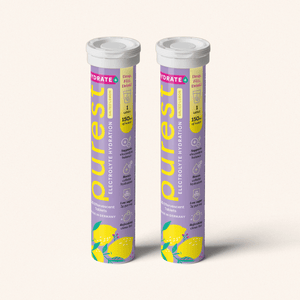
Hydrate+ Electrolyte Hydration Tablets supports hydration status in Singapore's sweating climate, maintaining the gut motility and skin hydration that continuous heat-related fluid loss depletes.
Frequently Asked Questions
Why is my skin oily and dehydrated at the same time in Singapore?
This is one of the most common skin patterns in Singapore's climate. High outdoor humidity combined with heavy air conditioning creates a humidity cycling that depletes ceramides and disrupts the skin barrier. The skin responds by increasing sebum production to compensate for barrier compromise (the oiliness), while the underlying dermis remains dehydrated. Internal ceramide support and barrier repair addresses the structural cause rather than just managing the surface symptom.
Does Singapore's weather affect gut health?
Yes, through several pathways. Heat promotes overgrowth of certain gut bacteria relative to beneficial species. Continuous sweating creates mild dehydration that reduces gut motility and changes the gut microbial environment. High air conditioning exposure dries mucous membranes including the gut lining. Addressing gut microbiome health with consistent pre and probiotic supplementation is particularly valuable in Singapore's climate conditions.
Why do I need internal sunscreen in Singapore?
Singapore receives year-round equatorial UV radiation that topical sunscreen alone doesn't fully protect against. UV exposure penetrates beyond the surface, causing oxidative damage in dermal tissue that drives collagen degradation and hyperpigmentation. Internal antioxidant compounds (lycopene, beta-carotene, polyphenols) provide photoprotection at the cellular level throughout the dermis. The combination of topical SPF and internal antioxidant support is more protective than either alone.
What supplements are most important for skin in Singapore's climate?
Given Singapore's specific challenges: ceramide and barrier support (for the air conditioning-humidity cycling effect), antioxidant and photoprotection support (for year-round UV), collagen supplementation (for UV-accelerated collagen degradation), and gut microbiome support (which underpins all of the above). Hydration support is also particularly relevant given continuous heat-related fluid loss.
Why does my skin breakout more in humid weather?
Humidity changes sebum consistency, promotes bacterial overgrowth on the skin surface, and alters the skin's natural acidic pH that inhibits acne-causing bacteria. The warm moist environment accelerates bacterial reproduction in pores. Additionally, if gut health is compromised, the systemic inflammation from gut dysbiosis amplifies the skin's inflammatory response to these surface challenges. Addressing gut health reduces the internal amplification of climate-triggered breakouts.
Why does Singapore weather make skin worse?
Singapore's climate creates two simultaneous skin challenges: outdoor high humidity that promotes bacterial overgrowth on the skin surface, increases sweating (which disrupts the skin's acidic pH), and changes sebum consistency; and indoor air conditioning that creates near-desert dryness that depletes ceramides and disrupts the lipid skin barrier. The constant cycling between these extremes is particularly damaging because the skin barrier can't adapt to both simultaneously.
What skincare routine is best for Singapore's climate?
A humidity-adapted routine prioritises gentle cleansing (low pH cleansers that preserve the acid mantle), lightweight hydration (humectants like hyaluronic acid rather than heavy occlusive creams), broad-spectrum SPF every morning, and internal barrier support through ceramide supplementation and gut health maintenance. The internal component is particularly important in Singapore because the air conditioning-humidity cycling depletes ceramides faster than in temperate climates.
Is SPF necessary every day in Singapore?
Yes, without exception. Singapore receives year-round equatorial UV radiation at intensities comparable to peak summer in temperate countries. There is no season in Singapore where UV exposure is low enough to skip daily SPF. Daily SPF use is the single most important anti-ageing and hyperpigmentation-prevention intervention available. Internal antioxidant support from lycopene and polyphenols complements topical SPF by providing photoprotection at the cellular level throughout the dermis.
References
[1] Choi FD et al. Journal of Drugs in Dermatology. 2019. Oral collagen supplementation: a systematic review of dermatological applications.
[2] Vaughn AR et al. Gut Microbes. 2025. The gut-skin axis: a bi-directional, microbiota-driven relationship.
[3] Coderch L et al. American Journal of Clinical Dermatology. 2003. Ceramides and skin function.
This article is for informational purposes only and is not a substitute for professional medical advice, diagnosis, or treatment. Always consult a qualified healthcare provider with any questions about a medical condition.