










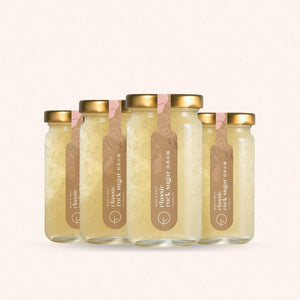
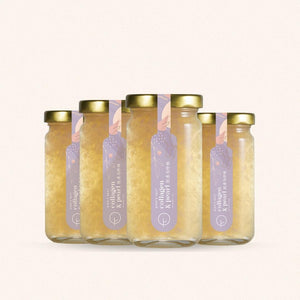
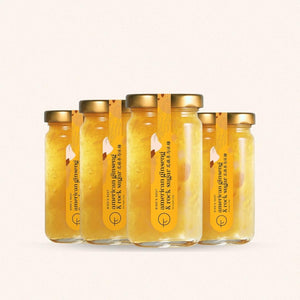
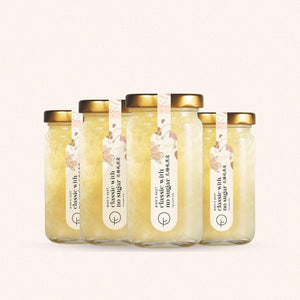






"Everything in my routine was the same. The only change was this collagen drink."
→ Try the collagen drink that worked for Jin Jia

Why collagen specifically? Here's the mechanism.
Rosacea-prone skin has three structural problems that collagen supplementation directly addresses.
Weakened blood vessel walls. The flushing and persistent redness in rosacea is partly driven by capillaries that dilate easily and don't contract well. Collagen peptides, specifically hydrolysed marine collagen, support vascular integrity at the dermal level. Stronger capillary walls mean less reactive flushing.
A broken skin barrier. Rosacea skin lacks the structural proteins needed to maintain tight junctions between skin cells. This lets irritants in and moisture out, which is why rosacea skin is often simultaneously sensitive and dehydrated. Collagen supplementation stimulates fibroblasts to produce new structural proteins, directly rebuilding what's missing.
Chronic low-grade inflammation. Glycine is the most abundant amino acid in collagen, and it has demonstrated anti-inflammatory properties in peer-reviewed research. For rosacea, where inflammation is the underlying driver of every flare, this matters.
One important note: this is not the same as applying collagen to your face. Topical collagen molecules are too large to penetrate the skin. Hydrolysed collagen peptides taken orally are small enough to be absorbed into the bloodstream and reach the dermis directly.

Jin Jia's timeline
Jin Jia had tried collagen for six to seven years across various forms. Nothing worked until it did.
| Timeframe | What changed |
|---|---|
| Week 2–3 | Redness more controlled, even after showering |
| Week 3 | First time a friend noticed her glow returning |
| Month 2 | Skin plumper, more bounce |
| Month 2+ | Makeup lasts the full day without touch-ups |
"I spent a lot of money over the years. This is the first collagen drink I really think is effective."
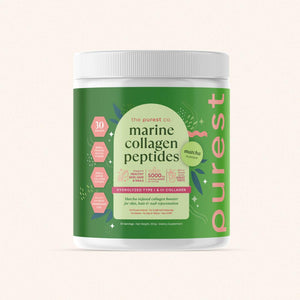
The supplement that worked for her is Collagen Glow Berries: hydrolysed marine collagen with patented bioavailable peptides, formulated specifically for skin health.

What to look for in a collagen supplement for rosacea
Not all collagen products are equal. For rosacea specifically, look for these four things:
Hydrolysed marine collagen (Type I). The smallest peptide size means the highest absorption rate. This is non-negotiable for seeing dermal-level results.
Added Vitamin C. It's an essential cofactor for collagen synthesis and a potent antioxidant that helps manage the oxidative stress that triggers rosacea flares.
No artificial additives. Fragrances, dyes, and certain preservatives are common rosacea triggers. Your supplement should not be adding new ones.
Clinical backing. Look for patented ingredient forms with peer-reviewed bioavailability data, not proprietary blends with no published research.
Collagen Glow Berries meets all four. It's the most reviewed collagen product in Singapore: 132,000+ verified customers, 2,138+ five-star reviews, and a 90-day money-back guarantee.
Frequently Asked Questions
Does collagen actually help rosacea? Collagen doesn't cure rosacea, but it addresses three of its root structural causes: weakened capillary walls, a compromised skin barrier, and chronic inflammation. Most people who respond to collagen supplementation notice improvement in redness within 2 to 4 weeks of daily use.
How long before I see results? Most users notice initial improvement in redness control within 2 to 3 weeks. Skin barrier improvements, including reduced sensitivity and better moisture retention, typically become noticeable at 6 to 8 weeks. Full structural results take 3 months of consistent daily use.
Can I take collagen alongside my rosacea medication? Collagen supplements are generally safe alongside topical rosacea treatments. If you're on oral medication such as antibiotics, isotretinoin, or prescription anti-inflammatories, check with your dermatologist first.
Which collagen is best for rosacea in Singapore? Hydrolysed marine collagen with Vitamin C and no artificial additives is the most relevant formulation for rosacea-prone skin. Collagen Glow Berries is the most clinically backed option currently available in Singapore, with documented results specifically for sensitive and reactive skin.
90-DAY MONEY BACK GUARANTEE
132,000+ customers · 2,138 five-star reviews · Free shipping on orders above $60

