















Period cramps happen when your uterus contracts to shed its lining, driven by hormone-like compounds called prostaglandins. Gentle heat, movement, staying hydrated and nutrients like magnesium may all help ease the ache — alongside rest and, when needed, medical care.
Why do period cramps actually happen?
Think of prostaglandins as the messengers that tell your uterine muscle to squeeze. The more of them your body makes, the stronger and more painful those contractions tend to feel. This is why cramps often come with a heavy, dragging sensation low in the belly, and sometimes back pain or nausea. It's a normal physiological process — but "normal" doesn't mean you have to just grit your teeth through it.
What eases cramps in the moment?
A warm compress or heat pack works a little like a warm bath for a tense muscle — the warmth helps the uterine muscle relax and can ease discomfort. Light movement such as walking or gentle stretching boosts circulation, and slow breathing can calm the stress response that often amplifies pain. Staying well hydrated matters too, since dehydration can make muscle cramping feel worse.
Does magnesium help with period cramps?
Research is encouraging here. Magnesium may help relax uterine muscle and moderate prostaglandin activity, and a 2024 randomised trial found that magnesium supplementation reduced cramp intensity and related symptoms in young women with painful periods. The evidence base is still small, so it's best seen as supportive rather than a cure — but it's a low-risk habit for many people. Magnesium glycinate tends to be gentle on the stomach.
Where does gut health come in?
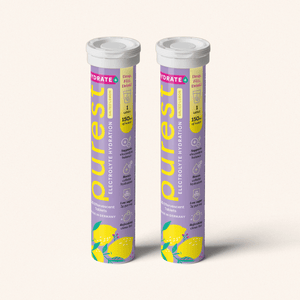
Your gut and hormones are more connected than most people realise. A balanced gut microbiome plays a role in how your body processes and clears used hormones, which can influence how the whole cycle feels. Supporting your gut with fibre, fermented foods and a targeted pre- and probiotic blend is a gentle, everyday habit. Our Cycle Harmony Pre+Probiotic Melts are formulated with the monthly cycle in mind, and pairing that with good hydration — a tube of Hydrate+ Electrolyte Tablets on heavy days — covers two easy bases.
When should you see a doctor?
Cramps that are severe enough to keep you home from work or school, that suddenly change in pattern, or that come with very heavy bleeding deserve a proper check. Conditions like endometriosis and fibroids are real and treatable, and supplements are never a substitute for a diagnosis. If something feels off, please speak to a doctor.
Frequently asked questions
How long do period cramps normally last?
For most people, cramps peak in the first day or two of bleeding and ease off after that. Pain that lasts the whole period or occurs outside your period is worth discussing with a healthcare professional.
Can what I eat make cramps worse?
Possibly. Some people find very salty or highly processed foods worsen bloating and discomfort, while staying hydrated and eating enough fibre may help. Everyone is different, so notice your own patterns.
Are supplements a replacement for painkillers?
No. Supplements like magnesium or a pre/probiotic may offer gentle support around good habits, but they don't replace medication your doctor recommends. Use them as part of a bigger picture, not instead of medical advice.
This article is general education, not medical advice. Please consult a qualified healthcare professional for concerns about your health.