





![[Pre-Order] Joint Pre+Probiotic Melts](http://thepurest.co/cdn/shop/files/1_af310510-f2f3-4ee7-91c6-0c9314c437ab_300x.jpg?v=1755068216)













Last reviewed: March 2026 · The Purest Co Editorial Team · About The Purest Co
Do I need probiotics after antibiotics?
Yes, strongly supported by evidence. Active microbiome restoration with probiotics consistently outperforms waiting for the gut to recover on its own. Without intervention, some antibiotic-disrupted species take 6 months or more to recover. With consistent combined pre and probiotic supplementation started during or immediately after the course, recovery is meaningfully faster and more complete.
You've finished a course of antibiotics. The infection is gone. But something feels off: your digestion is unpredictable, your skin has flared, your energy is lower than it should be, and your immune system seems to have taken a holiday. You're not imagining any of this. Antibiotics don't just clear the infection. They clear a significant portion of your gut microbiome, beneficial and harmful bacteria alike, and the aftermath can persist for months without active restoration.
In Singapore, where antibiotics are commonly prescribed for respiratory infections that are frequent in the tropical climate, post-antibiotic gut restoration is a particularly common and relevant need.
Here's what actually happens to your gut during and after antibiotics, why the disruption has downstream consequences most people don't connect to their antibiotic use, and what the evidence says about restoration.
Explore gut restoration supplements
What Antibiotics Do to the Gut Microbiome
Broad-spectrum antibiotics, the most commonly prescribed type, don't distinguish between the bacteria causing your infection and the beneficial bacteria that support your digestion, immunity, skin, and hormone metabolism. A single course of broad-spectrum antibiotics causes measurable, significant disruption to gut microbiome diversity that can persist for months.
Research has found that a single course of ciprofloxacin reduces microbiome diversity by approximately 30%, with some species taking up to 6 months to recover and some never fully recovering without active intervention. Amoxicillin causes similar broad disruption. Clindamycin, commonly prescribed for dental infections and skin conditions, has some of the most significant microbiome disruption effects of any commonly used antibiotic.[1]
The bacterial species most vulnerable to antibiotic disruption are often the most beneficial ones: Lactobacillus species, Bifidobacterium species, and Akkermansia muciniphila. These are the bacteria that regulate inflammation, support the gut barrier, produce the short-chain fatty acids that maintain multiple aspects of health, and regulate immune function. Their depletion is what produces the cascade of downstream effects that follows antibiotic use.
Why the Aftermath Looks the Way It Does
The specific symptoms that follow antibiotics map directly to the functions of the bacteria that were depleted.
Digestive disruption (diarrhoea, constipation, bloating, and irregular bowel habits) is the most immediate consequence. The beneficial bacteria that regulate gut motility and fermentation are gone, allowing opportunistic organisms (including Clostridioides difficile in severe cases) to proliferate in the vacant ecological space.
Skin flares in the weeks following antibiotics are a direct gut-skin axis expression. The systemic inflammation that rises as the protective microbiome is depleted reaches the skin. People with existing skin conditions like acne, eczema, or rosacea almost invariably experience worsening in the weeks following antibiotic use, even when the antibiotics weren't prescribed for their skin condition.
Immune vulnerability following antibiotics is well-documented. The gut-associated lymphoid tissue (GALT), which houses 70% of the immune system, is directly supported by the beneficial bacteria that antibiotics have just depleted. The weeks following antibiotics are a period of genuine immune compromise.
The Antibiotic Paradox for Skin
Antibiotics are commonly prescribed for acne. They work in the short term by reducing the bacterial load driving inflammatory acne. The paradox is that they simultaneously disrupt the gut microbiome in ways that worsen the underlying gut-driven inflammatory state that contributes to acne. This is why acne frequently rebounds after antibiotic courses, often more severely, and why repeated courses produce progressively shorter periods of improvement: each course further depletes the gut microbiome that helps regulate the skin's inflammatory environment.
How to Restore the Gut Microbiome After Antibiotics
Active restoration is meaningfully more effective than waiting for the microbiome to recover on its own. The evidence-backed approach involves several elements working simultaneously.
Probiotics during and after antibiotics. The timing debate (during vs after) has largely been resolved: starting probiotics during the antibiotic course, taken at least 2 hours apart from the antibiotic dose, reduces the severity of antibiotic-associated diarrhoea and speeds overall microbiome recovery. Continuing for at least 4 to 8 weeks after the course ends provides the restoration period the microbiome needs. The strains with the strongest evidence for antibiotic recovery are Lactobacillus rhamnosus GG and Saccharomyces boulardii (a beneficial yeast that survives antibiotic exposure because antibiotics don't affect yeasts).
Prebiotics immediately after. The ecological vacuum left by antibiotics needs to be filled with beneficial species quickly before opportunistic organisms take over. Prebiotics feed the beneficial bacteria being reintroduced, giving them a competitive advantage over the less beneficial species trying to colonise the depleted space.
Dietary fibre increase. Fermentable fibre directly fuels the surviving beneficial bacteria and any bacteria being reintroduced through supplementation. A high-fibre diet during recovery gives the microbiome the substrate it needs to restore diversity.
The Purest Co Range for Post-Antibiotic Recovery
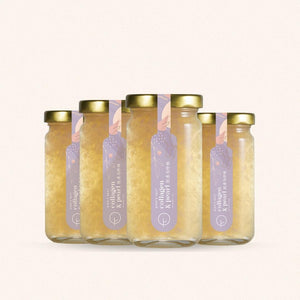
Daily Pre+Probiotic Melts provides the multi-strain probiotic and prebiotic combination for comprehensive microbiome restoration, delivered sublingually to bypass any residual gut environment disruption from the antibiotic course.
Immunity Pre+Probiotic Melts addresses both the microbiome restoration and the immune vulnerability that follows antibiotics, combining probiotic strains with immune-supportive actives for the post-antibiotic recovery period.
Frequently Asked Questions
Do I need probiotics after antibiotics?
Yes, strongly supported by evidence. Active microbiome restoration with probiotics consistently outperforms waiting for the gut to recover on its own. Without intervention, some antibiotic-disrupted species take 6 months or more to recover. With consistent combined pre and probiotic supplementation, recovery is meaningfully faster and more complete.
When should I take probiotics after antibiotics?
Start during the antibiotic course if possible, taking probiotics at least 2 hours apart from antibiotic doses so the antibiotic doesn't immediately clear the probiotics. Continue for at least 4 to 8 weeks after finishing the course. The microbiome continues recovering beyond when symptoms resolve.
Why did my skin break out after antibiotics?
Antibiotic use depletes the beneficial gut bacteria that regulate systemic inflammation. The gut-skin axis means this increased inflammatory load reaches the skin, worsening existing skin conditions. This is a direct consequence of the microbiome disruption, not an allergic reaction or unrelated coincidence. Restoring the gut microbiome is the most effective response.
How long does it take for the gut to recover after antibiotics?
Without active intervention: some species recover in weeks, others take 6 months or more, and some never fully recover. With active combined pre and probiotic supplementation started during or immediately after the antibiotic course: meaningful microbiome restoration typically occurs within 4 to 8 weeks of consistent daily supplementation.
Can antibiotics cause long-term gut problems?
Multiple courses of antibiotics over years can produce cumulative microbiome depletion that takes increasingly longer to recover from. Research has found associations between lifetime antibiotic exposure and reduced microbiome diversity, increased inflammatory conditions, and immune dysregulation. This doesn't mean antibiotics should be avoided when medically necessary, but it does mean active restoration after every course is warranted rather than assumed.
What should I eat after taking antibiotics?
Prioritise high-fibre foods (vegetables, legumes, oats, fruit) that feed the beneficial bacteria being reintroduced or surviving. Include fermented foods (yoghurt, kimchi, kefir) for additional probiotic input. Reduce ultra-processed foods, excess sugar, and alcohol, all of which disrupt the microbiome's recovery process. These dietary changes work synergistically with probiotic supplementation rather than replacing it, since food-based probiotic amounts are generally insufficient on their own to restore a significantly depleted microbiome.
How do I know if antibiotics have damaged my gut?
Signs that antibiotics have significantly disrupted your gut microbiome include diarrhoea or highly irregular bowel habits that continue after finishing the course, increased bloating and digestive discomfort, a skin flare in the weeks following the course (particularly acne, eczema, or rosacea), increased frequency of illness in the months after, and persistent low energy that wasn't present before the antibiotic course. These are all downstream consequences of beneficial bacterial depletion.
Can I take probiotics at the same time as antibiotics?
Yes, but with timing separation. Take probiotics at least 2 hours apart from the antibiotic dose so the antibiotic doesn't immediately kill the probiotic bacteria before they can establish. The strains most resistant to antibiotic disruption are Saccharomyces boulardii (a beneficial yeast that antibiotics don't affect because it's not a bacterium) and Lactobacillus rhamnosus GG (more resilient than many other Lactobacillus strains).
References
[1] Mahmud MR et al. Gut Microbiome / PMC. 2022. Impact of gut microbiome on skin health: gut-skin axis observed through the lenses of therapeutics and skin diseases.
[2] Wrzesniewska M et al. Int J Mol Sci. 2026;27(1):365. From gut dysbiosis to skin inflammation in atopic dermatitis: probiotics and the gut-skin axis.
[3] Vaughn AR et al. Gut Microbes. 2025. The gut-skin axis: a bi-directional, microbiota-driven relationship with therapeutic potential.
This article is for informational purposes only and is not a substitute for professional medical advice, diagnosis, or treatment. Always consult a qualified healthcare provider with any questions about a medical condition.