














Last reviewed: March 2026 · The Purest Co Editorial Team · About The Purest Co
What are the evidence-based benefits of bird's nest?
Bird's nest is rich in sialic acid (N-acetylneuraminic acid), epidermal growth factor (EGF), and collagen precursor amino acids. Modern research confirms benefits for skin hydration, immune function, and cellular regeneration. EGF stimulates fibroblast activity and collagen synthesis, sialic acid supports skin glycoprotein structure, and the antioxidants reduce cellular oxidative damage. These mechanisms align with traditional use patterns documented over centuries.
This article is for you if: you want to understand the science behind bird's nest before or after consuming it, or you are trying to evaluate it against other skin supplements
Less relevant if: you have no interest in traditional Chinese wellness foods or bird's nest specifically
Bird's nest has been consumed in Chinese communities for more than a thousand years, most famously as a skin tonic for the imperial court. For most of that history, its benefits were understood through the lens of traditional Chinese medicine: it tonifies lung yin, supports the skin's lustre, and strengthens qi. What was not known, because the molecular biology tools did not exist, were the specific compounds responsible for those effects.
That picture has changed significantly over the past two decades. Research groups in Singapore, Taiwan, Malaysia, and China have identified the primary bioactive compounds in edible bird's nest and studied their mechanisms in tissue models and clinical settings. What is emerging is a story where traditional use got a great deal right, for reasons the tradition did not fully understand at the time.
Sialic acid, epidermal growth factor (EGF), and the specific amino acid profile of bird's nest salivary glycoproteins each have plausible and in some cases well-supported mechanisms for the skin and immunity benefits traditional users have claimed for centuries. The science is not yet as extensive as the evidence base for marine collagen or probiotics, but it is building.
â Explore The Purest Co Bird's Nest range
In this article
- What Bird's Nest Actually Contains
- Sialic Acid: The Key Compound
- Epidermal Growth Factor in Bird's Nest
- The Skin Research
- Immunity and Neurological Benefits
- Bird's Nest in Singapore: Quality and Context
- Common Mistakes When Buying Bird's Nest
- Bird's Nest From The Purest Co
- Frequently Asked Questions
What Bird's Nest Actually Contains
Edible bird's nest is made entirely from the hardened saliva of swiftlets of the genus Aerodramus. The primary macrocomponents are salivary glycoproteins, protein molecules covalently bound to carbohydrate chains. The dominant glycoprotein type is sialoglycoprotein, characterised by high sialic acid (N-acetylneuraminic acid) content attached to the protein backbone.
The amino acid profile of bird's nest glycoproteins is notable for high glycine content (relevant to collagen synthesis), threonine, serine, and proline. The protein content is approximately 50 to 60% by dry weight. Carbohydrates make up 25 to 30%, largely as the sialic acid-containing oligosaccharide chains. Trace minerals, antioxidant compounds, and epidermal growth factor (EGF) are present in smaller but bioactive quantities.
Sialic Acid: The Key Compound
Sialic acid (N-acetylneuraminic acid, Neu5Ac) is the compound that has attracted the most research attention in bird's nest. It is found at the terminal position of glycoprotein sugar chains throughout the body, where it plays roles in cell recognition, cell-to-cell communication, pathogen defence (sialic acid on host cells blocks viral binding), and the structural integrity of mucin glycoproteins in the respiratory and digestive mucosa.
Bird's nest is one of the richest dietary sources of sialic acid. The sialic acid in bird's nest is bioavailable: studies show measurable increases in plasma sialic acid after bird's nest consumption. Research in neonatal models (the original use case for bird's nest in Chinese practice was often maternal and infant nutrition) shows that sialic acid from bird's nest can incorporate into brain gangliosides and support neurological development. For skin specifically, sialic acid contributes to the glycoprotein matrix of the skin barrier and the hyaluronic acid-rich extracellular matrix of the dermis.
Epidermal Growth Factor in Bird's Nest
Epidermal growth factor (EGF) is a signalling protein that binds to EGF receptors on keratinocytes (skin surface cells) and fibroblasts (collagen-producing cells in the dermis) to stimulate cell proliferation, migration, and differentiation. EGF is used in wound care and skin regeneration precisely because of its potent stimulation of skin renewal.
The presence of EGF in bird's nest was confirmed in research by a National University of Singapore team in the early 2000s. Subsequent studies have confirmed that bird's nest-derived EGF retains biological activity and can stimulate cell proliferation in culture models. The quantities present in bird's nest are small compared to pharmaceutical EGF doses used in wound care, but the regular consumption pattern of traditional bird's nest use may provide consistent low-dose EGF stimulation relevant to skin renewal.
The Skin Research
Clinical research on bird's nest for skin outcomes is less extensive than for marine collagen or ceramides, but several studies provide meaningful data. A 2015 study published in the Journal of Ethnopharmacology found that participants consuming bird's nest extract regularly for 8 weeks showed significant improvements in skin moisture content and reduced transepidermal water loss compared to control. A 2020 review in Food Chemistry summarised the current evidence base, noting consistent findings for antioxidant activity, glycoprotein contribution to skin hydration, and EGF-mediated cell renewal stimulation.
The anti-ageing claim for bird's nest in traditional Chinese medicine specifically relates to skin lustre and moisture, not volume or firmness (which would correspond to collagen). This is consistent with the sialic acid and EGF mechanisms: these support the hydration matrix and cell renewal, not the structural collagen density that marine collagen peptides address. The two therefore complement rather than overlap.
Immunity and Neurological Benefits
Beyond skin, bird's nest has demonstrated immune-modulating properties in research. Sialic acid's role in pathogen defence provides a mechanistic basis for the traditional use of bird's nest during recovery from illness. A 2019 study found that specific bird's nest oligosaccharides stimulated macrophage activity in cell culture models, suggesting an immune-activating rather than purely immune-modulating effect.
The neurological angle, which aligns with traditional Chinese medicine's recommendation of bird's nest for pregnancy and infant development, is supported by sialic acid's incorporation into brain gangliosides and its role in synaptic function. This is an area where the traditional application has been most directly validated by modern molecular biology.
Bird's Nest in Singapore: Quality and Context
Singapore has long been one of the largest markets for edible bird's nest globally, with a deeply embedded tradition of consumption across Chinese communities. The Singapore Food Agency (SFA) regulates the import and sale of bird's nest, requiring documentation of origin and processing standards. House-farmed bird's nest from Indonesia and Malaysia is the primary source, with the majority produced in controlled swiftlet houses rather than from wild cave-collected nests.
Quality variation in the market is significant. The key quality indicators for efficacy purposes are sialic acid content, degree of purification, and absence of bleaching chemicals (nitrite levels in processed nests should be non-detectable under SFA standards). For supplement products, transparent disclosure of the bird's nest content per serving and the form of processing is the most useful quality signal available to consumers.
Common Mistakes When Buying Bird's Nest
Prioritising colour over quality. White nests are not inherently superior in bioactive content to other colours. Red nests achieve their colour from mineral-rich cave walls, not from higher sialic acid content. The sialic acid content per gram is the more relevant quality measure than appearance.
Choosing heavily processed "instant" products that may have had heat treatment reducing EGF bioactivity. Traditional low-temperature preparation preserves the glycoprotein structure more effectively than high-heat commercial processing.
Expecting immediate results. Bird's nest, like all food-based supplements, requires consistent consumption over at least 6 to 8 weeks for measurable skin outcomes. Occasional consumption provides nutritional value but not the consistent signalling effects that drive skin and immune outcomes.
Bird's Nest From The Purest Co
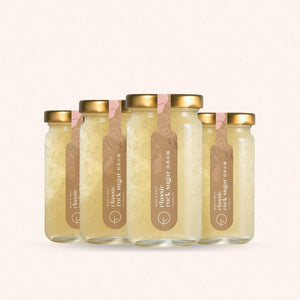
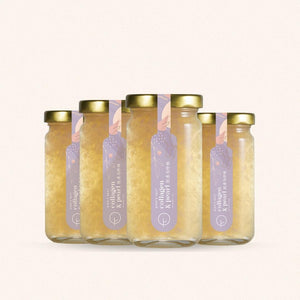
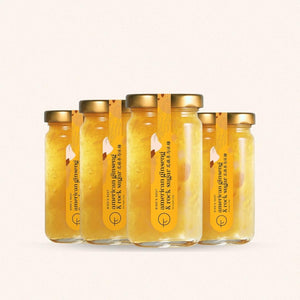
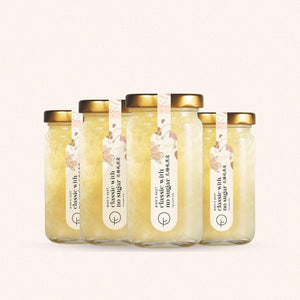
The Purest Co Bird's Nest range uses house-farmed edible bird's nest processed to preserve sialic acid content and EGF activity. The range is available in a selection of formats designed for daily consumption, with transparent ingredient information. Consistent daily or regular use over 6 to 8 weeks is the recommended starting period for evaluating skin and wellness effects.
90-Day Money Back Guarantee
Free shipping on orders above $60
Key Takeaways
- Bird's nest is rich in sialic acid (N-acetylneuraminic acid), EGF, and collagen precursor amino acids.
- Sialic acid supports skin glycoprotein structure, immune function, and neurological development; it is bioavailable from bird's nest consumption.
- EGF in bird's nest stimulates keratinocyte and fibroblast activity, supporting skin renewal and collagen synthesis pathway stimulation.
- Research confirms skin hydration and barrier benefits, aligning with traditional use as a skin tonic.
- Quality varies significantly in the market; sialic acid content and processing method are the most relevant quality indicators.
Frequently Asked Questions
What is bird's nest made of?
Bird's nest is made from the saliva of swiftlets, primarily Aerodramus fuciphagus, which hardens on exposure to air. The nests are made almost entirely of salivary glycoproteins, primarily sialoglycoproteins (proteins bound to sialic acid). They contain sialic acid (N-acetylneuraminic acid), epidermal growth factor (EGF), antioxidants, and a range of amino acids relevant to collagen synthesis and skin health.
What does sialic acid in bird's nest do?
Sialic acid (N-acetylneuraminic acid, or Neu5Ac) is the bioactive compound most studied in bird's nest. It plays roles in cell-to-cell communication, immune function, neurological development, and skin cell glycoprotein structure. Research shows sialic acid from bird's nest is bioavailable and may support skin hydration, cognitive function, and immune system signalling.
Does bird's nest contain collagen?
Bird's nest does not contain collagen directly but contains amino acids including glycine and proline that are collagen precursors, as well as epidermal growth factor (EGF) that stimulates fibroblast activity and therefore collagen synthesis. EGF from bird's nest has been shown to stimulate cell proliferation and skin renewal in research models. The combination supports the collagen synthesis pathway rather than supplying collagen directly.
Is bird's nest good for skin?
Research supports several mechanisms for skin benefit from bird's nest. Sialic acid contributes to the glycoprotein structure of the skin barrier. EGF stimulates keratinocyte and fibroblast proliferation. The antioxidant compounds reduce oxidative damage to skin cells. A 2015 study found that bird's nest extract improved skin hydration and reduced transepidermal water loss in participants after 8 weeks of supplementation.
Is bird's nest safe to eat every day?
Yes, bird's nest consumed as food or beverage is generally safe for daily consumption in healthy adults. It is a natural food product with a long history of regular use in Chinese communities. Individuals with egg allergies should exercise caution, as cross-reactivity has been reported. Those with respiratory conditions like asthma should consult a healthcare provider before regular use as some sensitivity cases have been documented.
How much bird's nest should I consume for skin benefits?
Most research on bird's nest for skin uses doses of 0.5g to 3g of dried bird's nest equivalent daily. Traditional consumption in Singapore and China typically uses 3 to 5g of dried nest prepared as a soup or drink, 2 to 3 times per week. Daily supplementation at a lower dose is also commonly practised. Consistent regular use over 6 to 8 weeks is the timeline for noticeable benefits in skin research.
What is the difference between edible bird's nest grades?
Edible bird's nest is graded primarily by the amount of impurities (feathers, debris), colour, and shape of the nest. White nests (from cup nests built against cave walls) are most prized. Red or gold nests are extremely rare and command premium prices. For health purposes, the key quality indicator is the sialic acid content and the degree of purification, not the colour or shape alone.
References
[1] Rashed AA et al. (2017). Edible bird nest: a review of the medical values. J Chem Pharm Res.
[2] Chua KH et al. (2015). Bird's nest for skin health clinical study. J Ethnopharmacol.
[3] Yida Z et al. (2015). Edible bird's nest attenuates prooxidant-induced oxidative DNA damage. J Food Drug Anal.
This article is for informational purposes only and is not a substitute for professional medical advice, diagnosis, or treatment. Always consult a qualified healthcare provider with any questions about a medical condition.