


![[Pre-Order] Night Burn Saffron Elixir](http://thepurest.co/cdn/shop/files/NBSE-WebsitePDP_Tier1_1_1_300x.png?v=1786005812)
















![[Pre-Order] Night Burn Saffron Elixir](http://thepurest.co/cdn/shop/files/NBSE-WebsitePDP_Tier1_1_1_1080x.png?v=1786005812)




Berberine is a plant compound with genuine, well-studied effects on blood sugar and, more modestly, weight. But calling it "nature's Ozempic" oversells it: it works through a different mechanism, with much smaller effects, and it isn't a substitute for medication or good habits.
What is berberine?
Berberine is a bright-yellow compound found in plants like barberry and goldenseal, used for centuries in traditional medicine. What sets it apart from many trending supplements is its research base: it has clinical trials going back decades and multiple meta-analyses behind it. So the interest isn't pure hype — there's real science here. The question is what that science actually says, versus what the viral nickname implies.
What does the research show for blood sugar?
This is berberine's strongest area. Studies suggest it can lower fasting blood sugar and HbA1c (a measure of longer-term glucose control), with some trials showing effects comparable to metformin. It appears to work largely by activating an enzyme called AMPK — often described as a metabolic "master switch" that's also flipped by exercise and calorie restriction. Think of AMPK as a signal that tells cells to use energy more efficiently. That mechanism is interesting and legitimate, but it's not the same as how GLP-1 medications like Ozempic work.
And for weight and metabolism?
Here the effects are real but modest. Meta-analyses have found berberine can produce small reductions in BMI and waist circumference, along with improvements in triglycerides and LDL cholesterol. "Modest" is the key word: this is a gentle nudge to metabolic markers, not the dramatic appetite suppression and weight loss seen with prescription GLP-1 drugs. Anyone expecting Ozempic-level results from a capsule is likely to be disappointed — and importantly, berberine has no FDA approval to treat any disease.
How does it fit into a sensible routine?
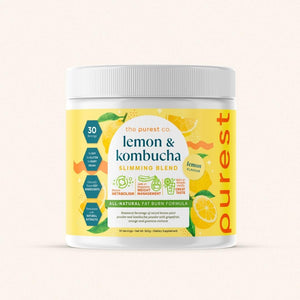
Berberine is best understood as potential support around the fundamentals, not a replacement for them. Balanced meals, protein, fibre, movement and sleep still do the heavy lifting for metabolic health. If you're drawn to gentle metabolic and gut support, we formulate options like our Lean Burn Pre+Probiotic Melts and Grapefruit & Kombucha Slimming Blend to sit alongside good habits, not to promise shortcuts. Berberine can also cause digestive side effects and interacts with several medications, so it's genuinely important to check with your doctor before trying it — especially if you take anything for blood sugar.
Frequently asked questions
Is berberine the same as Ozempic? No. They work through completely different mechanisms, and berberine's effects on weight are far smaller. The nickname is catchy marketing, not an equivalence.
Is berberine safe to take long term? Long-term safety data are limited, and it can interact with medications and cause GI upset. It's a conversation to have with your doctor rather than a set-and-forget supplement.
Can I take berberine with metformin or diabetes medication? Not without medical guidance — because both can lower blood sugar, combining them could push levels too low. Always speak to your doctor first.
This article is for general education and is not medical advice. Supplements support — not replace — good habits and medical care. Berberine does not treat or cure any disease. If you're pregnant, breastfeeding, taking medication or managing a health condition, please check with your doctor or pharmacist before starting anything new.