







![[Pre-Order] Joint Pre+Probiotic Melts](http://thepurest.co/cdn/shop/files/1_af310510-f2f3-4ee7-91c6-0c9314c437ab_300x.jpg?v=1755068216)












The short answer: Dark circles fall into roughly three types — pigment, vascular and shadow — and most people have a mix. They respond to quite different things, which is why one friend's miracle eye cream does nothing for you. Sleep is rarely the whole story.
Why is the skin under your eyes such a problem area?
The skin of the lower eyelid is the thinnest on the body — in places well under half a millimetre. It has little subcutaneous fat to cushion it and sits directly over a dense network of small blood vessels.
That thinness is the whole story. Anything underneath — blood vessels, pigment, the hollow where fat has shifted — shows through far more readily here than anywhere else on the face. It also means the area is unusually sensitive to rubbing, sun and inflammation.
How do you tell the three types apart?
Pigmented circles are true excess melanin in the skin itself. They tend to be brown rather than blue-grey, extend beyond the immediate under-eye hollow, and stay put no matter what angle you tilt your head. They're more common in deeper skin tones, often run in families, and are frequently made worse by sun exposure or by post-inflammatory darkening after eczema, allergy or years of eye-rubbing.
Vascular circles are blood vessels showing through thin skin. They read blue, purple or reddish, and they visibly worsen when you're tired, dehydrated, unwell, or have been crying — anything that dilates vessels or increases fluid. If you gently stretch the skin sideways and the darkness fades, vascular is likely a big contributor.
Shadow circles aren't pigment at all — they're a lighting effect. A tear trough hollow, a prominent orbital rim, or a small bag of pseudoherniated fat casts a shadow. The tell: change the light source, or look at yourself lit from below, and the darkness moves or disappears.
Dermatologists distinguish these formally, sometimes using a Wood's lamp to separate pigment from vascular. At home, the stretch test and the changing-light test get you most of the way.
What actually helps each type?
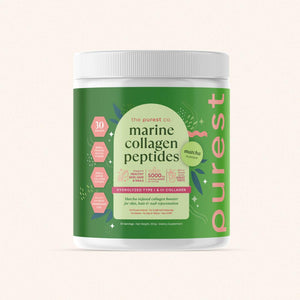
For pigment: daily sun protection is the non-negotiable foundation — UV drives melanin production, and most people are diligent about their cheeks and forget the eye area entirely. Topical brightening ingredients, chemical peels and certain lasers have evidence behind them, and one recent trial of a dedicated under-eye serum reported close to a 48% average reduction in hyperpigmentation with twice-daily use. Support from within is a slower, gentler lever: our SkinBright Thins are built around glutathione for an overall brightening approach, and Snow Tomato Glowjuice takes an antioxidant route. Both are supporting acts to sun protection, not substitutes for it.
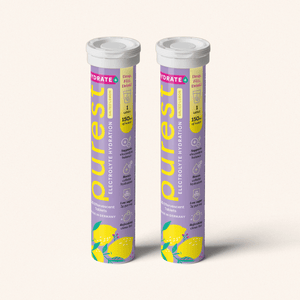
For vascular: the wins are boring and effective. Enough sleep, enough fluid, and treating any underlying allergy — chronic nasal congestion genuinely produces "allergic shiners" by congesting the small veins that drain the area. Sleeping with your head slightly elevated reduces overnight pooling. Cold compresses in the morning constrict vessels temporarily. If you're persistently under-hydrated in the heat, Hydrate+ Electrolyte Hydration Tablets may make the daily target easier to hit.
For shadow: honestly, skincare has the least to offer here, because the problem is structure rather than colour. This is the type where dermal fillers or, for significant fat pseudoherniation, surgical options are the interventions with real evidence. A concealer one shade lighter than your skin, used to fill the shadow rather than mask a colour, is the practical daily answer.
Frequently asked questions
Will more sleep fix my dark circles? It will help the vascular component, sometimes noticeably. It will do essentially nothing for pigment or for a structural hollow — which is why some people sleep nine hours and still look tired.
Do caffeine eye creams work? Topical caffeine causes short-term vasoconstriction, so it can genuinely reduce puffiness and vascular darkness for a few hours. It's a real effect, but a temporary and cosmetic one rather than a treatment.
Are dark circles a sign something's wrong? Usually not — for most people they're anatomy, genetics and sun. That said, if they've appeared suddenly, are markedly one-sided, or come with other symptoms like ongoing fatigue or breathlessness, it's worth a doctor's opinion rather than an eye cream.
This article is general education, not medical advice — please see a doctor or dermatologist for a diagnosis and treatment plan.