



























![[Pre-Order] Night Burn Saffron Elixir](http://thepurest.co/cdn/shop/files/Booster_NBSE_300x.webp?v=1780448165)

















Last reviewed: March 2026 · The Purest Co Editorial Team · About The Purest Co
Does collagen help with acne scars?
Collagen supplementation supports scar improvement indirectly by providing the amino acid building blocks needed for dermal remodelling — particularly glycine, proline, and hydroxyproline. Clinical trials show marine collagen peptides measurably improve skin elasticity and dermal density within 8 to 12 weeks. Atrophic scars, which form from inadequate collagen deposition after acne, respond best to approaches that support collagen synthesis from within.
This article is for you if: You have post-acne marks, depressed (atrophic) scars, or uneven skin texture and want to understand whether internal collagen supplementation plays a role in skin remodelling.
Less relevant if: You have active severe acne — address that first — or are expecting collagen supplementation to replace professional scar treatments like laser for deep scarring.
Acne scars are one of the most persistent skin concerns among women in Singapore. Dermatologists treat the surface — but the real issue is what happens in the dermis, the deeper layer of skin where collagen fibres form the structural scaffold. When an acne lesion heals without adequate collagen rebuilding, you are left with a depression: an atrophic scar. Understanding this mechanism tells you exactly where collagen supplementation fits — and where it does not.
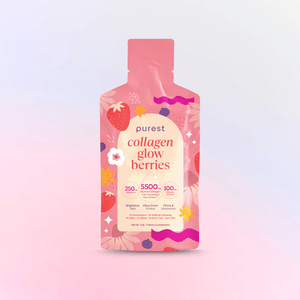
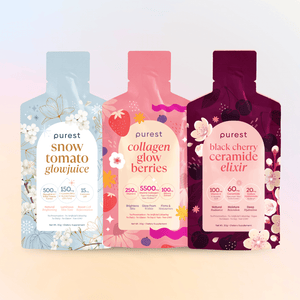
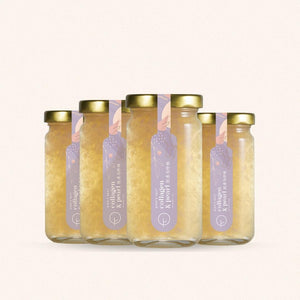
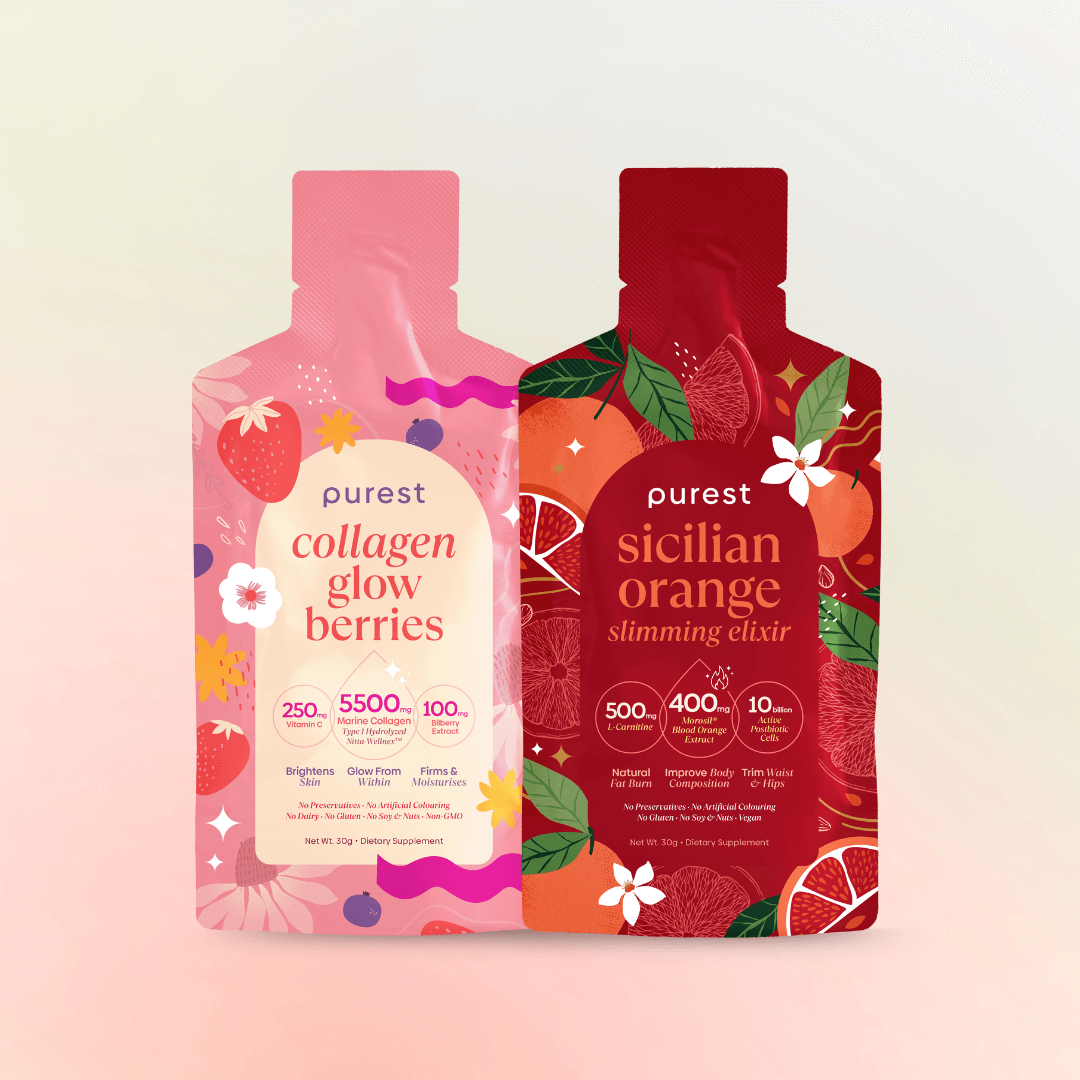
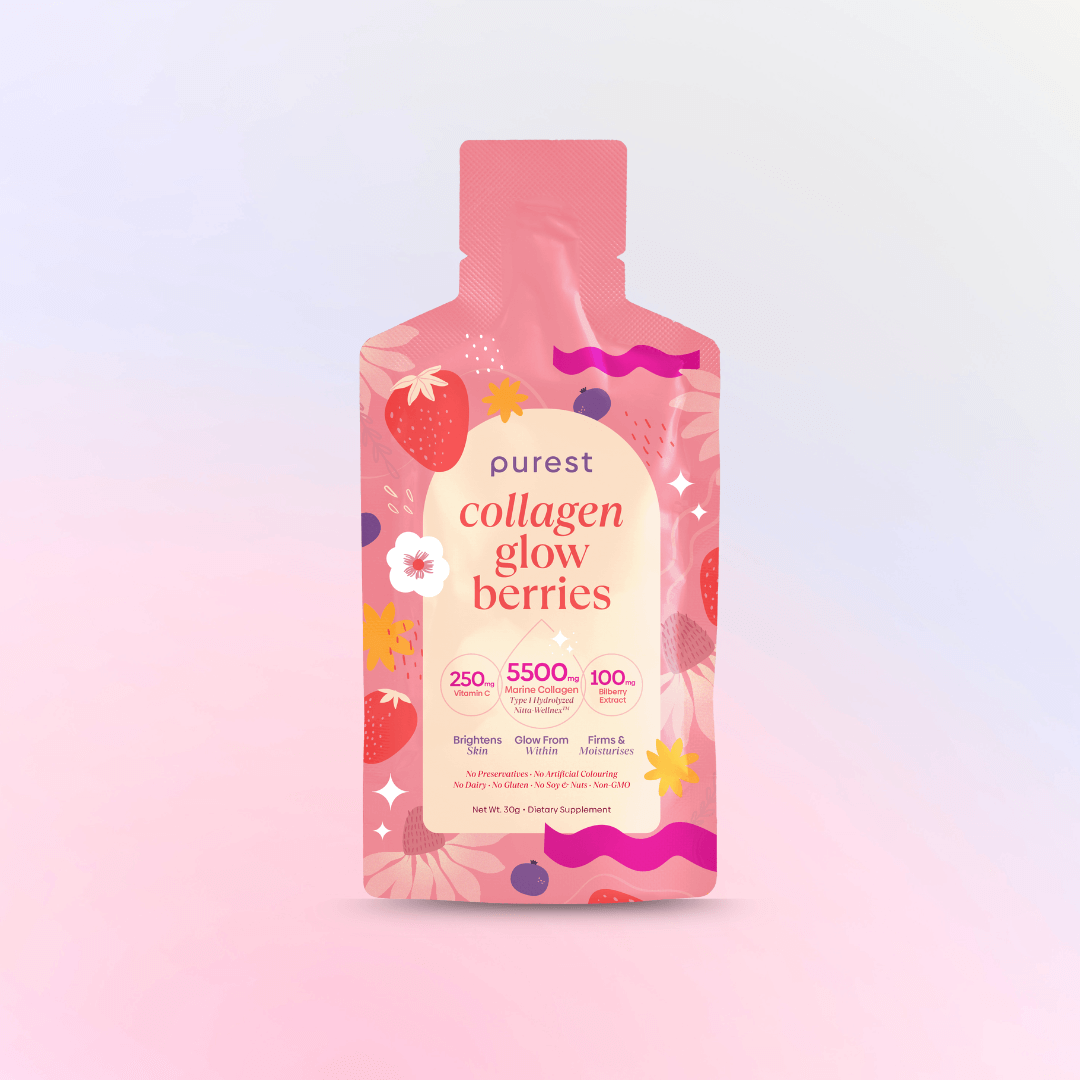
→ See Collagen Glow Berries, our marine collagen supplement
In this article
Types of Acne Scars
Acne scars fall into two broad categories: atrophic and hypertrophic. Atrophic scars are depressed indentations — the most common type in Asian skin — and include icepick, boxcar, and rolling scars. All involve insufficient collagen deposition during wound healing. Hypertrophic or keloid scars are raised and result from excessive collagen deposition — the opposite problem. Post-inflammatory hyperpigmentation (PIH) — the flat dark marks left after acne — is not technically a scar. It is melanin deposition and responds to different treatments entirely.
How Collagen Relates to Scar Formation
When an acne lesion damages the dermis, the body initiates a wound-healing cascade. Atrophic scars form when the proliferative phase is insufficient — the body does not deposit enough collagen to fill the dermis back to its original volume. The depressed appearance is the literal result of missing structural material. Hydrolysed marine collagen peptides — particularly those containing the tripeptide sequences Gly-Pro-Hyp — are absorbed into the bloodstream, delivered to dermal fibroblasts, and stimulate both new collagen synthesis and hyaluronic acid production, supporting the remodelling phase.[1]
What the Research Shows
A 2019 review of 11 randomised controlled trials involving 805 patients found that oral collagen supplementation significantly improved skin hydration, elasticity, and dermal density compared to placebo over 4 to 24 weeks.[2] These outcomes directly correspond to the tissue changes needed for atrophic scar improvement. A 2021 study found that marine collagen supplementation at 10g daily for 12 weeks produced measurable increases in skin collagen density assessed by ultrasound — meaning more structural support in the dermis, which is precisely the deficit in atrophic scarring.
Realistic Timeline
Collagen remodelling is slow by biological design. The dermis replaces approximately 1 to 2% of its collagen per day during active remodelling. Clinical trials measuring skin quality changes from collagen supplementation consistently show the most significant improvements at 8 to 12 weeks of daily supplementation. Setting a 3-month consistent-use benchmark before evaluating outcomes is reasonable. Singapore’s high UV index accelerates ongoing collagen degradation, making consistent SPF use and supplementation equally important in this climate.
Collagen and Professional Treatments
Collagen supplementation and professional scar treatments are complementary. Microneedling, fractional laser, and subcision all work by triggering controlled injury to stimulate the skin’s collagen remodelling response. Using collagen supplementation to maximise building materials available during stimulated remodelling makes mechanistic sense. Several dermatologists now recommend oral collagen in the weeks surrounding fractional laser or microneedling for this reason, though the specific combination evidence is still emerging.
Common Mistakes
Conflating PIH with scarring. Dark marks after acne are post-inflammatory hyperpigmentation — a melanin issue, not a structural one. Niacinamide, vitamin C, and tranexamic acid address PIH. Collagen does not.
Expecting collagen to replace professional treatments for deep icepick scars. Very deep atrophic scars involve fibrous tethering and significant structural loss that requires mechanical or energy-based treatments. Collagen supplementation improves the tissue environment but cannot lift deep icepick scarring on its own.
Inconsistent supplementation. Dermal remodelling requires sustained amino acid availability over weeks. Sporadic use provides insufficient stimulus for measurable fibroblast activity change.
Frequently Asked Questions
Does collagen help acne scars fade?
Collagen supplementation supports the dermal remodelling process that can gradually reduce the depth of atrophic (depressed) acne scars over 8 to 12 weeks of consistent daily use. It provides fibroblasts with amino acid building blocks for new collagen synthesis but does not replace professional treatments for deep scarring.
What type of collagen is best for acne scars?
Hydrolysed marine collagen peptides with a molecular weight below 5,000 Daltons are most absorbed. Look for products specifying the collagen dose — clinical studies for skin outcomes typically use 5 to 10g daily.
How long does it take for collagen to improve acne scars?
Measurable skin quality improvements from collagen supplementation appear at 8 to 12 weeks in clinical trials. Scar remodelling is slower — a 3-month consistent supplementation window is a reasonable minimum assessment period.
Can collagen prevent acne scars from forming?
No direct evidence supports this, but maintaining good dermal collagen density may support more complete dermal repair after acne. Preventing active acne and reducing inflammation remains the primary prevention strategy.
Is collagen good for acne-prone skin in Singapore?
Yes. Marine collagen does not contain acnegenic ingredients and does not stimulate sebum production. Internal collagen supplementation supports dermal structure without affecting the sebaceous gland activity that drives surface acne.
Should I take collagen before or after microneedling?
Consistent daily supplementation in the weeks before and after microneedling may maximise collagen availability during stimulated remodelling. Consistent use matters more than specific timing relative to treatment.
Does collagen help with post-inflammatory hyperpigmentation?
No. PIH is a melanin deposition issue that responds to niacinamide, vitamin C, and tranexamic acid. Collagen addresses dermal structure, not pigmentation.
90-Day Money Back Guarantee
Free shipping on orders above $60
Key Takeaways
- Atrophic acne scars form when collagen deposition is insufficient during wound healing — the depressed appearance is literally missing dermal structure.
- Marine collagen peptides stimulate fibroblast collagen synthesis and provide the amino acid building blocks needed for dermal remodelling.
- Clinical trials show measurable skin collagen density increases at 8 to 12 weeks of daily supplementation.
- Dark post-acne marks (PIH) are a pigmentation issue, not structural — they respond to different treatments.
- Collagen supplementation and professional scar treatments (microneedling, laser) are complementary.
References
[1] Proksch E et al. Oral supplementation of specific collagen peptides has beneficial effects on human skin physiology. Skin Pharmacol Physiol. 2014.
[2] Bolke L et al. A Collagen Supplement Improves Skin Hydration, Elasticity, Roughness, and Density. Nutrients. 2019.
This article is for informational purposes only and is not a substitute for professional medical advice, diagnosis, or treatment. Always consult a qualified healthcare provider with any questions about a medical condition.