


![[Pre-Order] Night Burn Saffron Elixir](http://thepurest.co/cdn/shop/files/NBSE-WebsitePDP_Tier1_1_1_300x.png?v=1786005812)



















![[Pre-Order] Night Burn Saffron Elixir](http://thepurest.co/cdn/shop/files/NBSE-WebsitePDP_Tier1_1_1_1080x.png?v=1786005812)




Magnesium comes in several forms, and the form changes what it's best for. Glycinate is favoured for sleep and calm, citrate for general topping-up and regularity, and threonate is studied for focus. The right one depends on your goal, not the price tag.
Why does the form of magnesium matter?
Magnesium is always bound to something else, and that partner changes how it's absorbed and where it tends to act. A useful analogy: magnesium is the passenger, and the form is the vehicle, some vehicles drop you gently at "calm", others at "digestion" or "brain". That's why one magnesium can ease sleep while another sends you to the bathroom.
Which magnesium is best for sleep and calm?
Magnesium glycinate (sometimes labelled bisglycinate) is the usual pick. It's well absorbed, gentle on the stomach, and it's paired with glycine, a calming amino acid, which may explain why it's the form most often used in sleep research. If your main goal is winding down or easing a racing mind at night, glycinate is a sensible starting point.
What about citrate and threonate?
Magnesium citrate is well absorbed and versatile, good for general repletion, though at higher doses it can loosen stools, which is helpful if you also deal with constipation. Magnesium threonate is the newer, pricier form studied for crossing into the brain; early trials hint at benefits for memory and sleep quality, but the evidence is still young. Match the form to the job rather than assuming dearer means better.
How does magnesium fit into hydration?
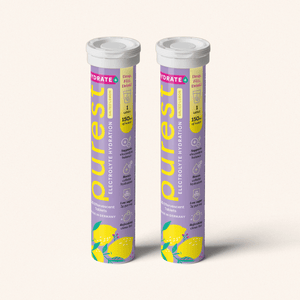
Magnesium is also an electrolyte, one of the minerals you lose through sweat, which matters a lot in Singapore's heat. If you're active or often feel drained and crampy, replacing electrolytes can help you feel more balanced. Our Hydrate+ Electrolyte Hydration Tablets include magnesium alongside other key minerals to support everyday hydration and muscle comfort. It's repletion support, not a high-dose sleep formula, so think of it as covering your daily baseline.
How much magnesium is safe?
Getting magnesium from food, leafy greens, nuts, seeds, whole grains, comes first. If supplementing, follow the label and start low. Very high doses can cause digestive upset, and people with kidney conditions should check with a doctor before supplementing.
Frequently asked questions
Can I take magnesium every day? For most healthy adults, a sensible daily dose is fine. Stick to label guidance and adjust if you notice digestive changes.
When is the best time to take magnesium? Calming forms like glycinate are often taken in the evening; electrolyte forms suit around activity or through a hot day. Consistency matters most.
Will magnesium fix my cramps? It may help if you're low or losing a lot through sweat, but cramps have many causes. Hydration, warmth and rest matter too.
This article is general education, not medical advice. Speak with a healthcare professional before starting a new supplement, especially if you have kidney concerns.