


![[Pre-Order] Night Burn Saffron Elixir](http://thepurest.co/cdn/shop/files/NBSE-WebsitePDP_Tier1_1_1_300x.png?v=1786005812)












![[Pre-Order] Night Burn Saffron Elixir](http://thepurest.co/cdn/shop/files/NBSE-WebsitePDP_Tier1_1_1_1080x.png?v=1786005812)




Alcohol suppresses REM sleep and fragments the second half of the night, dehydrates you, triggers facial flushing and inflammation, and acutely raises oestrogen levels. No supplement, drip or electrolyte sachet offsets any of this. Drinking less does.
Does a nightcap help you sleep?
No, and the evidence here is unusually clear. Alcohol does help you fall asleep faster, which is why the belief persists. But it then suppresses REM sleep and fragments the second half of the night as your body metabolises it. Even low doses reduce REM; higher doses make the disruption worse.
Sedation is not the same as sleep. You may be unconscious sooner and still wake less restored, which is why a few drinks can leave you groggy after a full eight hours in bed.
What does alcohol do to your skin?
Two mechanisms, one direct and one indirect.
Directly, alcohol suppresses vasopressin and acts as a diuretic, contributing to next-day dehydration and that dull, puffy look. It also causes vasodilation, which produces flushing and can noticeably aggravate rosacea, and it increases inflammatory activity relevant to conditions like psoriasis.
Indirectly, and probably more importantly, it disrupts the sleep during which your skin does much of its repair work.
We should be honest about one popular claim: you will often read that alcohol "destroys collagen". There is no good human evidence for that at moderate intakes. The defensible story is the sleep and dehydration one, not a direct assault on your dermis. We would rather give you the accurate version.
Why does the Asian flush matter?
This deserves far more attention than it gets in Singapore.
Roughly 36 to 45% of East Asians carry a variant that reduces ALDH2 enzyme activity. If you go red in the face after one drink, that flush is a visible signal that acetaldehyde, a toxic breakdown product of alcohol, is accumulating in your body rather than being cleared efficiently.
This is not a cosmetic quirk. People with the flushing response who drink regularly have substantially elevated risk of oesophageal and head-and-neck cancers. If you flush, that is genuinely useful information about your own biology, and drinking less is the response that makes sense.
What about oestrogen and breast cancer risk?
Controlled feeding studies show alcohol acutely raises oestrogen levels. Meta-analysed data show breast cancer relative risk rising with intake: roughly 4% higher for light drinking, around 23% for moderate, and around 61% for heavy consumption.
The US Surgeon General's 2025 advisory named alcohol a leading preventable cause of cancer, causally linked to at least seven cancer types including female breast cancer. There is no identified threshold below which breast cancer risk is unaffected.
That is a sobering paragraph, and we are not writing it to frighten anybody. Absolute risk for any individual woman in her twenties or thirties remains low, and this is one factor among many. But it is information women are entitled to have, and it is under-discussed here.
What are the current guidelines?
Worth knowing that guidance currently diverges internationally. Singapore's Health Promotion Board advises no more than one standard drink a day for women. UK NHS guidance is 14 units a week for both sexes, spread across three or more days with alcohol-free days.
The 2025-2030 US Dietary Guidelines, released in January 2026, removed the previous per-day limits and omitted a statement on alcohol and cancer, replacing both with the vaguer "consume less for better health". This drew significant criticism from oncology and public health bodies. It reflects a change in guidance, not a change in the underlying evidence, and it should not be read as alcohol having become safer. For Singapore, HPB's guidance is the relevant one.
Do hangover cures work?
Short answer: no. A BMJ systematic review of randomised trials found no compelling evidence for any conventional or complementary hangover intervention, and a 2022 update covering 21 studies still found only very low quality evidence for any active treatment.
We sell supplements, so let us be direct: no supplement we or anyone else makes prevents a hangover, protects your liver from alcohol, or detoxifies anything. Anyone claiming otherwise is selling you a story.
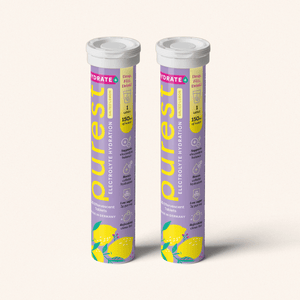
What actually helps is unglamorous: drinking less, eating properly, drinking water, and time. If you are dehydrated the following day, water and something like Hydrate+ Electrolyte Hydration Tablets can help you rehydrate, in exactly the same way they would after a hot day or a long flight. That addresses the dehydration. It does nothing about the alcohol.
Frequently asked questions
Is red wine good for you?
The old cardiovascular argument has weakened considerably as studies have improved. Current evidence does not support drinking for health reasons.
Does drinking water between drinks prevent a hangover?
It helps with dehydration but does not address alcohol's other effects. It reduces the damage a bit; it does not cancel it.
I flush when I drink. Should I be concerned?
It is worth knowing about. Flushing indicates reduced ALDH2 activity and higher acetaldehyde exposure, which is associated with elevated cancer risk in people who drink regularly. Worth discussing with your doctor.
This article is general education, not medical advice. Please speak to a qualified healthcare professional about your own health.